Trail Repair & Restoration Services in Richmond, Maine
OR GIVE US A CALL
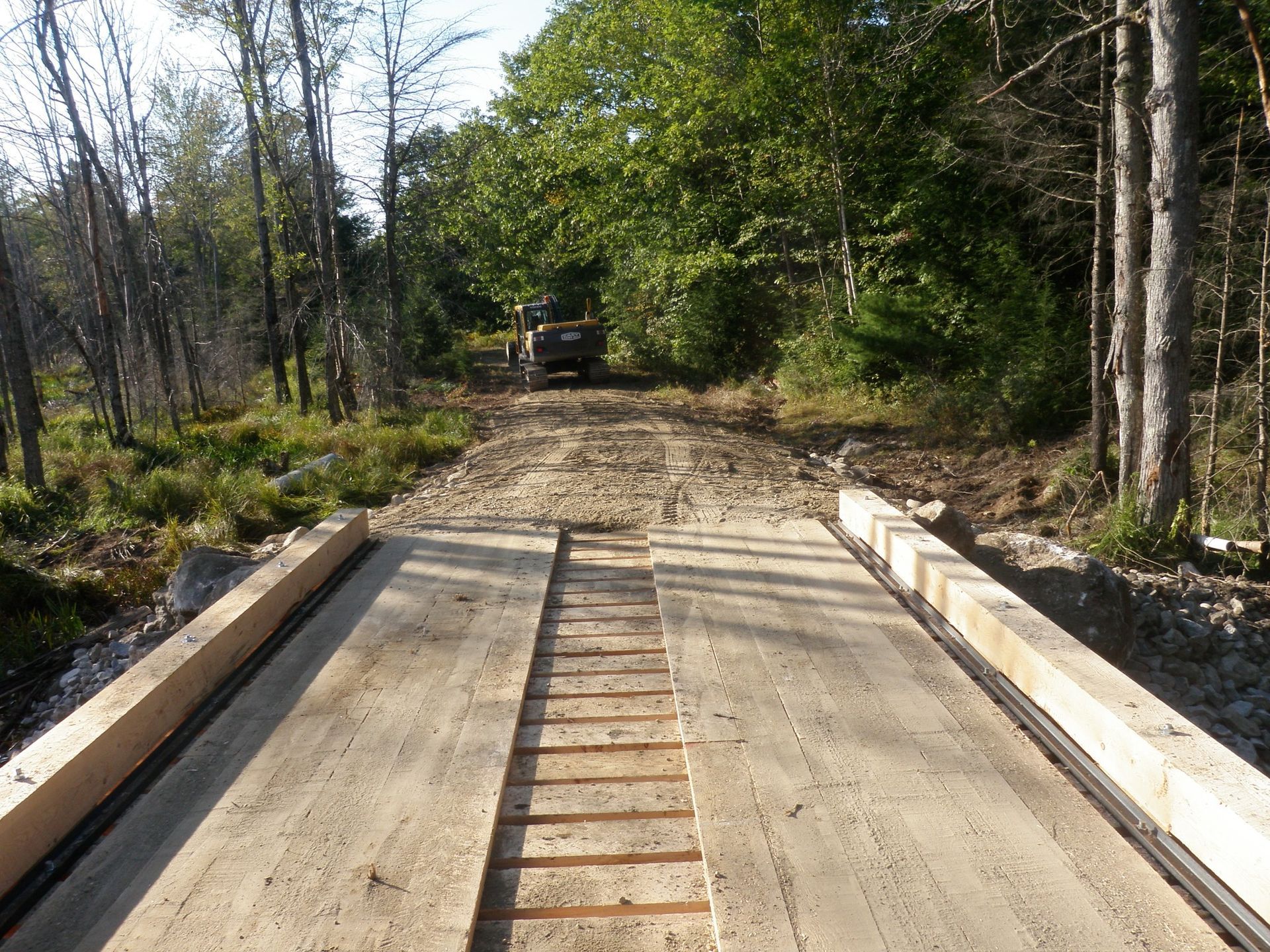
Restoring Function, Safety, and Longevity to Established Trail Systems
Trail & Earth
delivers specialized trail repair and restoration services shaped by over 30
years of excavation and recreational trail construction experience. In Richmond, Maine, and surrounding regions, including Portland, Lewiston, Bangor, South Portland, Auburn, and Biddeford, aging and damaged trails often struggle against erosion, freeze-thaw cycles, and changing land use. The focus here is on restoring trails to stable, usable conditions while respecting terrain, drainage patterns, and environmental sensitivity unique to Sagadahoc County and neighboring areas. Every project begins with understanding how the land naturally moves water, bears weight, and responds to seasonal stress.
Across central and southern Maine, trail systems endure heavy rainfall, spring runoff, compacted soils, and inconsistent maintenance histories. These factors lead to ruts, washouts, exposed roots, and unsafe access points that reduce usability and accelerate deterioration. Restoration is not about quick fixes; it requires technical grading, structural reinforcement, and erosion control methods that align with local soil profiles and topography. By addressing underlying causes rather than surface symptoms, trail integrity can be reestablished for long-term performance.
Trail repair and restoration also plays a critical role in preserving recreational access while protecting surrounding ecosystems. In wooded properties, rural parcels, and mixed-use lands throughout the Kennebec River region, poorly maintained trails contribute to sediment displacement and vegetation loss. Strategic restoration improves drainage, stabilizes surfaces, and redirects traffic flow to minimize ongoing damage. When executed professionally, restored trails enhance usability, safety, and property value while maintaining harmony with Maine’s natural landscapes.
Trail Repair & Restoration Services
Erosion Damage Repair
I evaluate erosion patterns caused by runoff, slope failure, or prolonged use, then rebuild trail sections using grading, reinforcement, and drainage control. This service restores structural integrity by stabilizing soils, reshaping surfaces, and preventing future washouts. The approach ensures trails remain functional through seasonal weather changes while supporting safe passage for intended recreational or utility use.
Surface Regrading and Reshaping
I correct uneven, rutted, or compacted trail surfaces by regrading to proper slope and contour. This process improves water shedding, reduces standing moisture, and enhances overall stability. Regrading restores consistent tread width and elevation, ensuring smoother travel while extending the lifespan of existing trail infrastructure without unnecessary expansion or disturbance.
Drainage Correction and Water Control
I identify drainage failures contributing to trail degradation and install solutions such as swales, outsloping, or culvert integration. Effective water management protects trail surfaces from saturation and erosion. This service focuses on directing water away naturally, reducing maintenance needs and ensuring trails withstand heavy rain and spring thaw conditions.
Washout and Rut Restoration
I rebuild sections damaged by washouts, deep ruts, or subsurface collapse using compacted fill, reinforcement materials, and proper grading. This restores safe access while preventing recurring damage. The process strengthens load-bearing capacity and improves resilience, particularly on trails used by ATVs, UTVs, or maintenance equipment.
Vegetation and Encroachment Clearing
I remove overgrowth, invasive vegetation, and encroaching brush that restrict trail width or visibility. Clearing improves safety and usability while preserving desirable plant life. This service ensures trails remain clearly defined, accessible, and aligned with original layouts without unnecessary environmental disruption.
Trail Stabilization and Reinforcement
I reinforce vulnerable trail sections using base stabilization techniques suited to soil conditions and usage demands. This includes strengthening soft ground, reinforcing slopes, and improving load distribution. Stabilization extends trail longevity, reduces future repair needs, and ensures consistent performance under repeated use and seasonal stress.
Benefits of Professional Trail Repair & Restoration
Long-Term Structural Stability
Professional trail restoration ensures underlying soil, grading, and drainage issues are properly addressed. Stabilized foundations reduce recurring damage caused by erosion and compaction. Trails regain strength and durability, allowing consistent use throughout seasonal changes without repeated repairs that increase long-term costs and environmental impact.
Improved User Safety
Restored trails eliminate hazards such as deep ruts, washouts, uneven surfaces, and hidden erosion damage. Proper grading and reinforcement create predictable footing and smoother travel. Safer trail conditions reduce the risk of injury while supporting responsible recreational use across varied terrain and weather conditions.
Reduced Ongoing Maintenance
When trails are professionally repaired, underlying problems are corrected rather than masked. Proper drainage, surface stabilization, and structural reinforcement significantly reduce the need for frequent maintenance. This allows property owners to allocate time and resources elsewhere while maintaining reliable trail access year-round.
Environmental Protection
Restoration minimizes soil displacement, sediment runoff, and vegetation loss caused by deteriorating trails. Controlled water flow and stabilized surfaces protect surrounding ecosystems. Professionally restored trails integrate with natural landscapes, reducing ecological strain while supporting responsible land use and long-term environmental health.
Enhanced Property Value
Well-maintained trail systems add functional and aesthetic value to properties. Restored trails improve accessibility, usability, and visual appeal. This benefit is particularly important for recreational, agricultural, and mixed-use lands where reliable access enhances overall property utility and long-term investment potential.
Adaptation to Intended Use
Professional restoration aligns trail structure with actual usage demands. Surface materials, grading, and reinforcement are tailored to foot traffic, recreational vehicles, or maintenance access. This ensures trails perform effectively under expected loads, reducing premature wear and extending operational lifespan.
BENEFITS 1
Insert content
BENEFITS 2
Insert content
BENEFITS 3
Insert content
Improving Accessibility While Maintaining Environmental Integrity
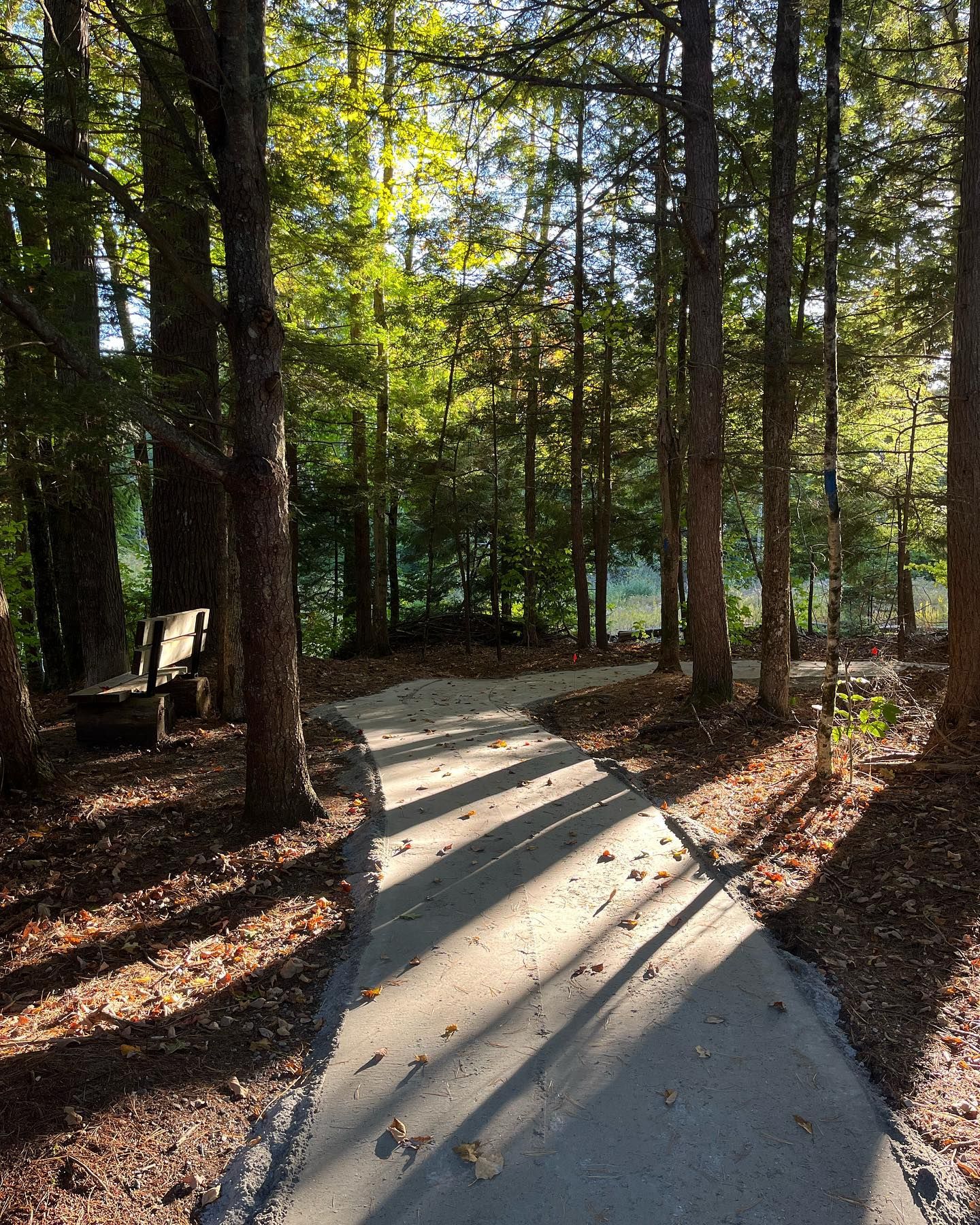
Trail repair and restoration are essential for preserving access, safety, and long-term land value across diverse Maine landscapes. This service focuses on correcting damage, stabilizing soils, and rebuilding pathways so they function naturally with terrain, drainage, and seasonal use demands. When completed correctly, restored trails enhance recreation while protecting forests, wetlands, and surrounding ecosystems from further degradation. In Richmond, Maine, and surrounding regions, including Sanford, Saco, Augusta, Brunswick, Westbrook, Waterville, and Scarborough, Trail & Earth
applies decades of excavation and trail construction experience to rebuild worn trails with purpose and durability. Each restoration project is approached with respect for land contours, soil composition, and intended use, ensuring dependable results that hold up through harsh winters, spring runoff, and heavy foot or vehicle traffic. Careful restoration also supports responsible land stewardship, seasonal usability, and long-term environmental balance across recreational properties in Maine regions.
FAQ's
Got Questions? We’ve Got Answers.
What causes trails to deteriorate over time?
Trail deterioration typically results from water mismanagement, soil compaction, erosion, freeze-thaw cycles, and increased usage beyond original design limits. Without proper drainage and reinforcement, even well-built trails gradually degrade, leading to ruts, washouts, and unsafe conditions. Seasonal storms and heavy recreational traffic can accelerate this deterioration significantly over time.
How do I know if a trail needs restoration instead of minor repair?
If erosion returns quickly, surfaces remain unstable, or drainage problems persist, restoration is usually required. Minor repairs address symptoms, while restoration corrects underlying structural issues, ensuring long-term stability rather than temporary improvements that fail under seasonal stress. Observation over multiple seasons is often necessary to make accurate assessments.
Can existing trails be restored without expanding their footprint?
Yes, restoration focuses on improving existing alignments through regrading, drainage correction, and stabilization. The goal is to enhance performance within the current footprint, minimizing environmental impact while restoring usability and structural integrity. Careful planning ensures trails remain functional without altering surrounding natural habitats unnecessarily.
How does Maine’s climate affect trail restoration methods?
Maine’s freeze-thaw cycles, heavy spring runoff, and varied soil types require specialized grading and drainage solutions. Restoration methods account for seasonal moisture changes, frost heave, and erosion patterns to ensure trails remain durable throughout the year. Adaptation to local weather patterns is essential for long-lasting trail performance.
Is trail restoration suitable for recreational vehicle trails?
Trail restoration is highly effective for ATV and UTV trails when designed for appropriate load-bearing capacity. Reinforced surfaces, corrected drainage, and stabilized slopes ensure safe operation while reducing damage caused by repeated vehicle traffic and weather exposure. Proper design can prevent costly repairs from recurring rapidly.
How long does a typical trail restoration project take?
Project duration depends on trail length, damage severity, terrain complexity, and weather conditions. Smaller sections may be restored quickly, while extensive systems require phased work to ensure proper grading, compaction, and long-term performance. Planning for seasonal weather changes can affect project timelines considerably.
Does Trail & Earth provide trail restoration in Richmond, Maine?
Yes, Trail & Earth provides professional trail repair and restoration services in Richmond, Maine, applying decades of excavation and recreational trail construction experience to restore damaged trails with durable, land-sensitive solutions. Customized approaches ensure trails meet both user needs and regional environmental requirements.
Are restored trails easier to maintain after completion?
Professionally restored trails are significantly easier to maintain. Proper grading, drainage, and stabilization reduce erosion and surface damage, allowing routine upkeep instead of frequent structural repairs, saving time and resources over the trail’s lifespan. Maintenance efforts are also more predictable and cost-effective over many years.
BENEFITS 1
Insert content
BENEFITS 2
Insert content
BENEFITS 3
Insert content
BENEFITS 1
Insert content
BENEFITS 2
Insert content
BENEFITS 3
Insert content