Securing Safe And Durable Septic Infrastructure Everywhere
Septic systems are a critical part of rural and semi-rural properties across Richmond, Maine, and surrounding regions, including Portland, Lewiston, Bangor, South Portland, Auburn, and Biddeford, where municipal sewer access is limited, and soil conditions vary widely. With over 30
years of hands-on excavation experience, Trail & Earth
delivers septic system solutions designed for Maine’s challenging climate, diverse terrain, and strict environmental standards. I focus on precision, regulatory compliance, and long-term functionality to support homes, camps, and recreational properties throughout Sagadahoc County and nearby regions.
Septic systems in coastal and inland Maine face unique pressures from frost depth, seasonal groundwater fluctuations, ledge, and variable soil permeability. I approach every project with a deep understanding of these regional factors, ensuring systems are properly sized, correctly located, and installed with long-term performance in mind. From new construction to system replacement, every step emphasizes protection of local waterways, groundwater, and property value. Thoughtful planning and skilled excavation help prevent premature failures, backups, and costly repairs that are common when systems are rushed or improperly installed.
Property owners throughout central and southern Maine depend on septic systems to operate quietly and efficiently year-round. I provide dependable service rooted in experience, local knowledge, and proven excavation practices. Each project is handled with attention to site conditions, code requirements, and future access needs. The goal is not just meeting current standards, but building systems that continue to perform through decades of seasonal change, heavy use, and evolving property demands.
Septic System Services
Septic System Installation
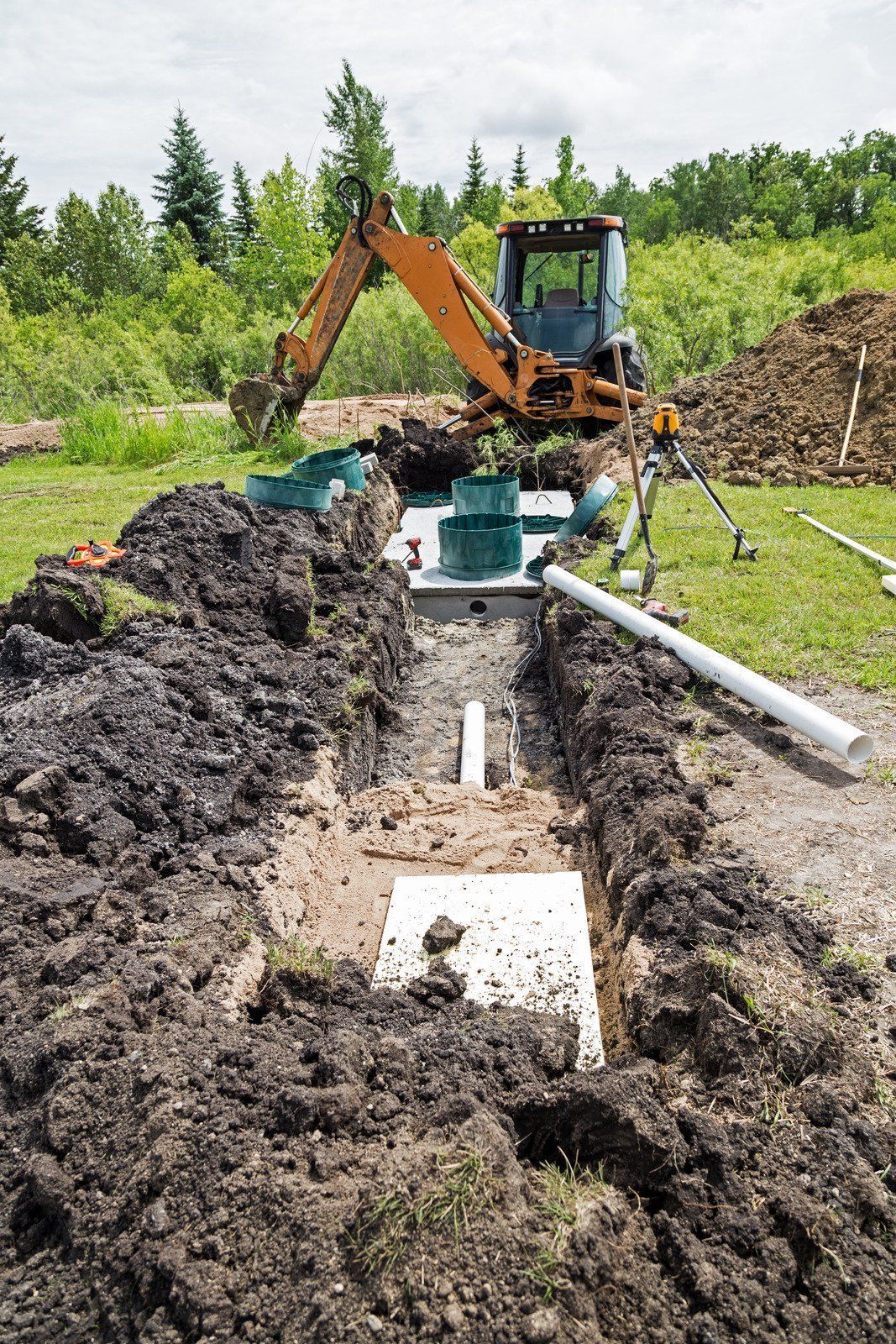
I handle complete septic system installations with careful attention to soil conditions, elevation, and drainage patterns. Every installation follows approved designs and state regulations, ensuring proper placement of tanks and leach fields. Equipment selection, trench depth, and compaction are managed precisely to support long-term system performance and reduce the risk of settling or failure over time.
Septic System Replacement
I provide full septic system replacements for aging or failing systems that no longer meet functional or regulatory standards. Existing components are carefully removed while minimizing site disruption. New systems are installed using updated designs that improve efficiency, capacity, and environmental protection, helping restore reliable wastewater treatment and protect surrounding soil and groundwater conditions.
Septic Tank Excavation
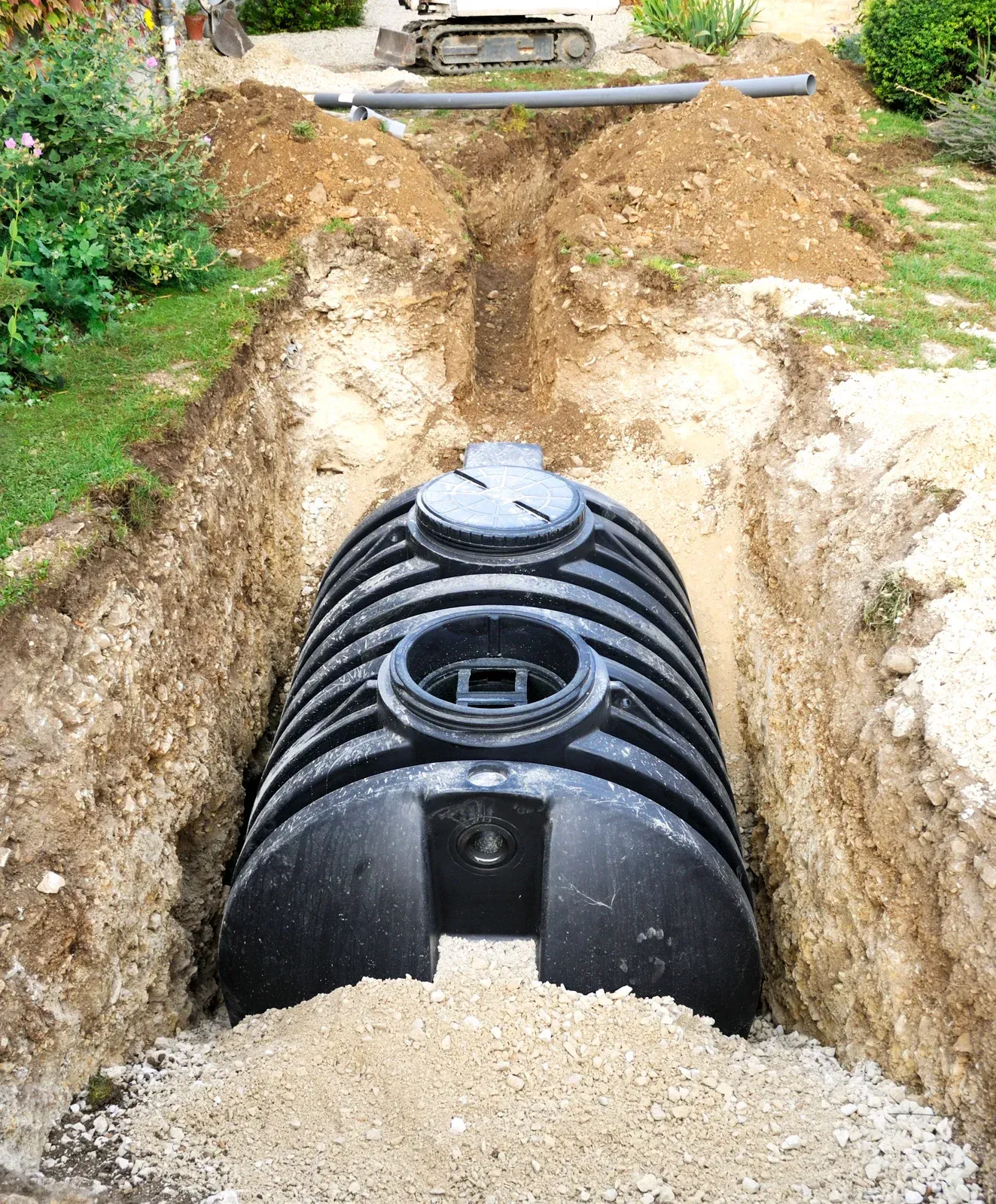
I perform precise septic tank excavation to ensure safe placement, accessibility, and structural stability. Excavation depth and base preparation are carefully managed to prevent shifting, cracking, or improper drainage. Proper tank excavation supports effective waste separation, simplifies future maintenance access, and helps extend the overall lifespan of the septic system.
Leach Field Construction
I construct leach fields designed to promote proper effluent absorption based on soil evaluation and site layout. Trench spacing, aggregate placement, and grading are carefully controlled to ensure even distribution and drainage. Well-built leach fields help prevent surface pooling, system overload, and contamination of the surrounding land.
Septic System Repairs
I address septic system issues through targeted excavation and repair, including damaged pipes, collapsed trenches, and compromised components. Repairs focus on restoring proper flow and function without unnecessary disturbance. Timely excavation-based repairs help prevent small issues from escalating into full system failures or environmental hazards.
Site Preparation for Septic Projects
I prepare sites for septic installations by clearing, grading, and stabilizing ground conditions. Proper site preparation ensures equipment access, accurate elevations, and safe working conditions. Thoughtful preparation supports efficient installation while protecting surrounding structures, vegetation, and natural drainage patterns throughout the property.
Benefits of Professional Septic System Service
Improved System Longevity
Professional septic system service enhances long-term durability through proper excavation, placement, and material handling. Accurate grading, stable base preparation, and correct component alignment reduce stress on tanks and leach fields. Systems installed with professional methods are better equipped to withstand seasonal freeze-thaw cycles and heavy use without premature deterioration.
Environmental Protection
Professionally executed septic work helps safeguard groundwater, nearby streams, and surrounding soil. Correct system placement and construction prevent untreated wastewater from migrating beyond designated absorption areas. Thoughtful excavation techniques reduce erosion and soil compaction, preserving natural filtration processes essential for maintaining healthy ecosystems and meeting environmental protection standards.
Code Compliance Assurance
Professional septic services ensure compliance with state and local regulations governing wastewater treatment. Proper permitting, installation practices, and design adherence reduce the risk of violations or costly corrections. Compliance protects property owners during inspections, refinancing, or resale, while supporting responsible land use across regulated regions.
Reduced Risk of System Failure
Professional installation and repair significantly lower the likelihood of backups, leaks, or system collapse. Attention to soil conditions, drainage patterns, and load requirements ensures balanced system performance. Reduced failure risk translates into fewer emergencies, lower repair costs, and uninterrupted use for residential or recreational properties.
Enhanced Property Value
A professionally built septic system contributes positively to overall property value. Buyers and inspectors recognize quality workmanship, compliant installation, and clear documentation. Reliable wastewater systems increase confidence during transactions and demonstrate responsible property stewardship, especially in areas where septic performance is closely scrutinized.
Long-Term Cost Efficiency
Investing in professional septic service minimizes long-term expenses by preventing premature repairs or replacements. Proper excavation and installation reduce maintenance frequency and extend system lifespan. Thoughtful construction supports predictable performance, helping property owners avoid unexpected costs related to system failure or environmental remediation.
BENEFITS 1
Insert content
BENEFITS 2
Insert content
BENEFITS 3
Insert content
Maintaining Wastewater Systems For Sustainable Property Management
Septic systems across Richmond, Maine, and surrounding regions, including Sanford, Saco, Augusta, Brunswick, Westbrook, Waterville, and Scarborough, require careful planning and skilled excavation to function reliably over time. Trail & Earth
delivers septic system services rooted in experience, local understanding, and disciplined construction practices. Every project reflects respect for land conditions, environmental responsibility, and regulatory standards unique to Maine’s diverse landscape. Septic work is more than excavation; it is an investment in property functionality and long-term protection. Thoughtful system design, precise installation, and informed repair decisions help prevent costly disruptions and environmental risks. Each project is approached with attention to drainage, soil behavior, and seasonal challenges, ensuring systems perform consistently through decades of use. Choosing knowledgeable septic services ensures peace of mind, regulatory confidence, and lasting performance for properties throughout Maine’s central and southern regions.
FAQ's
Got Questions? We’ve Got Answers.
How long does a typical septic system installation take?
Installation timelines depend on soil conditions, system size, and site accessibility. Most residential installations are completed within several days once permits and designs are approved. Weather conditions and inspection scheduling can also influence the overall project duration.
What signs indicate a failing septic system?
Common indicators include slow drains, sewage odors, wet areas near the leach field, and frequent backups. These symptoms often suggest drainage issues or component damage. Prompt evaluation helps prevent further property damage and environmental contamination.
Are septic systems regulated in Maine?
Septic systems are regulated under state wastewater rules and local permitting requirements. Design approvals, inspections, and setback standards ensure systems protect public health and environmental resources. Compliance is required for new installations, replacements, and certain repairs.
Can septic work be completed year-round?
Septic excavation can be performed during much of the year, though frozen ground and heavy precipitation may limit scheduling. Planning installations during favorable seasons often improves efficiency and reduces weather-related complications during excavation and construction.
How does soil type affect septic system design?
Soil composition determines absorption rates and system layout. Sandy soils drain differently than clay or ledge-heavy ground. Proper evaluation ensures leach fields are sized and positioned to manage effluent safely and effectively without overloading the surrounding soil.
Is septic system replacement always necessary when problems occur?
Not all issues require full replacement. Some problems can be resolved through targeted repairs or component upgrades. Accurate assessment helps determine whether repair, partial replacement, or full system installation is the most appropriate solution.
Why choose Trail & Earth for septic systems in Richmond, Maine?
Trail & Earth brings decades of excavation experience to septic projects in Richmond, Maine, with knowledge of regional soils, regulations, and climate challenges. This experience supports accurate installation, reliable performance, and responsible environmental practices.
How should a septic system be prepared before installation begins?
Proper preparation includes site clearing, access planning, and design approval. Utility marking and soil evaluation are completed before excavation begins. Thorough preparation helps avoid delays, ensures safety, and supports accurate system placement.
BENEFITS 1
Insert content
BENEFITS 2
Insert content
BENEFITS 3
Insert content
BENEFITS 1
Insert content
BENEFITS 2
Insert content
BENEFITS 3
Insert content