Drainage & Water Management Services in Richmond, Maine
OR GIVE US A CALL
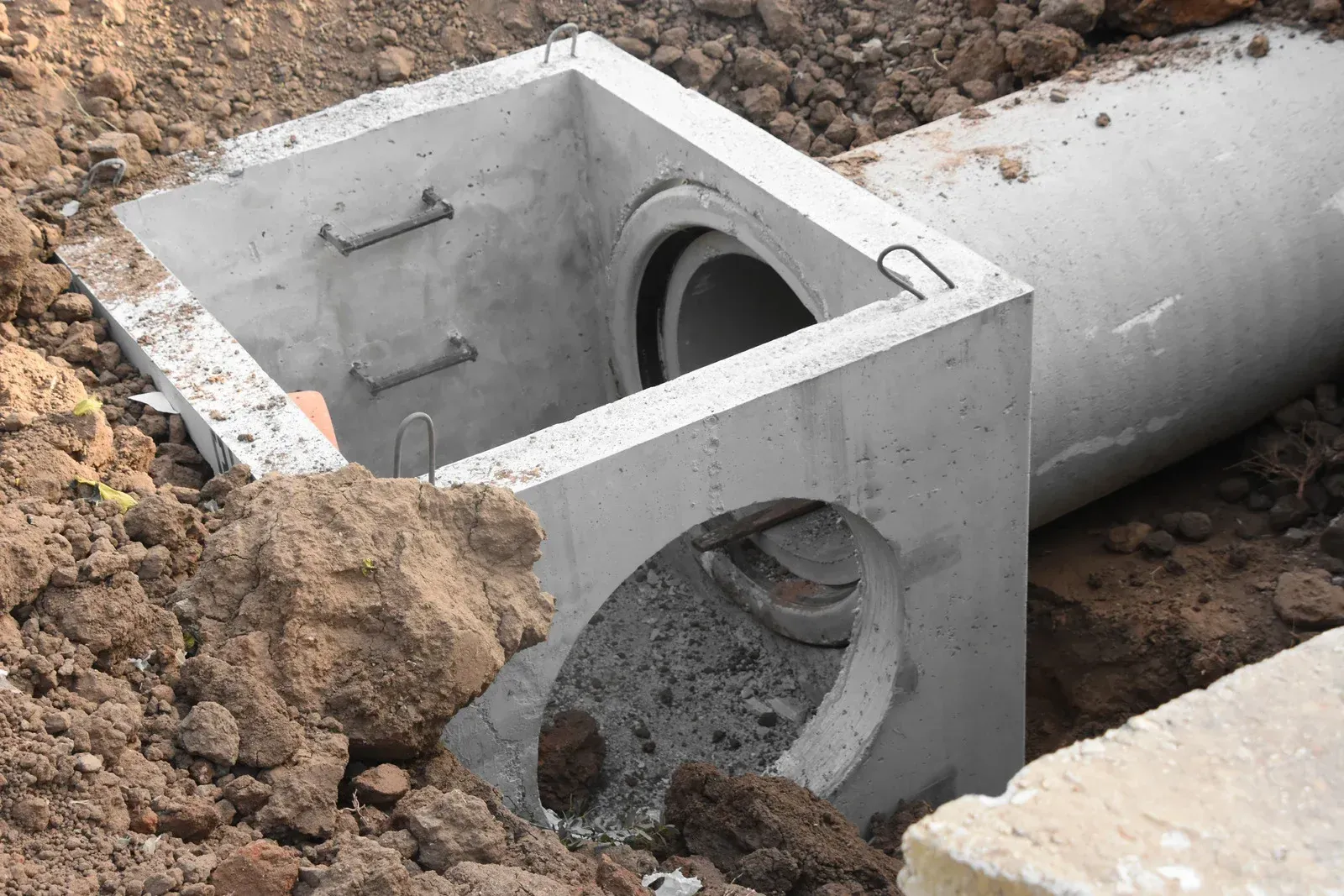
Ensuring Lasting Water Control Across Every Property
Trail & Earth
brings decades of excavation knowledge to drainage and water management projects throughout Richmond, Maine, and surrounding regions, including Portland, Lewiston, Bangor, South Portland, Auburn, and Biddeford. Properties across Kennebec County and nearby coastal and inland areas face unique challenges from seasonal rainfall, snowmelt, clay-heavy soils, and fluctuating water tables. Effective drainage planning is essential for protecting land investments, recreational trails, and structural foundations from long-term water damage and erosion risks.
Drainage and water management solutions require a deep understanding of Maine’s terrain, elevation changes, and soil composition. Improper runoff control can lead to saturated ground, washouts, standing water, and accelerated wear on trails and access routes. I focus on evaluating how water naturally moves across a site, identifying problem areas, and implementing solutions that work with the landscape rather than against it. This approach supports durability, safety, and environmental balance across residential, commercial, and recreational properties.
Long-term water control is not achieved through quick fixes. It demands careful excavation, precise grading, and properly designed systems that can withstand freeze-thaw cycles and heavy precipitation. With over 30
years of experience serving central and southern Maine, Trail & Earth
emphasizes responsible land shaping, sustainable drainage practices, and compliance with regional environmental considerations. Each project is planned to preserve soil integrity, reduce erosion, and maintain reliable water flow control year after year without unnecessary disruption to surrounding land features.
Drainage & Water Management Services
Surface Water Diversion
I design surface water diversion systems that guide rain and snowmelt away from vulnerable areas. Strategic grading, swales, and channel shaping redirect runoff naturally across the landscape. This service reduces pooling, minimizes erosion, and protects trails, structures, and access points from water-related deterioration while maintaining the natural appearance of the terrain.
Subsurface Drainage Installation
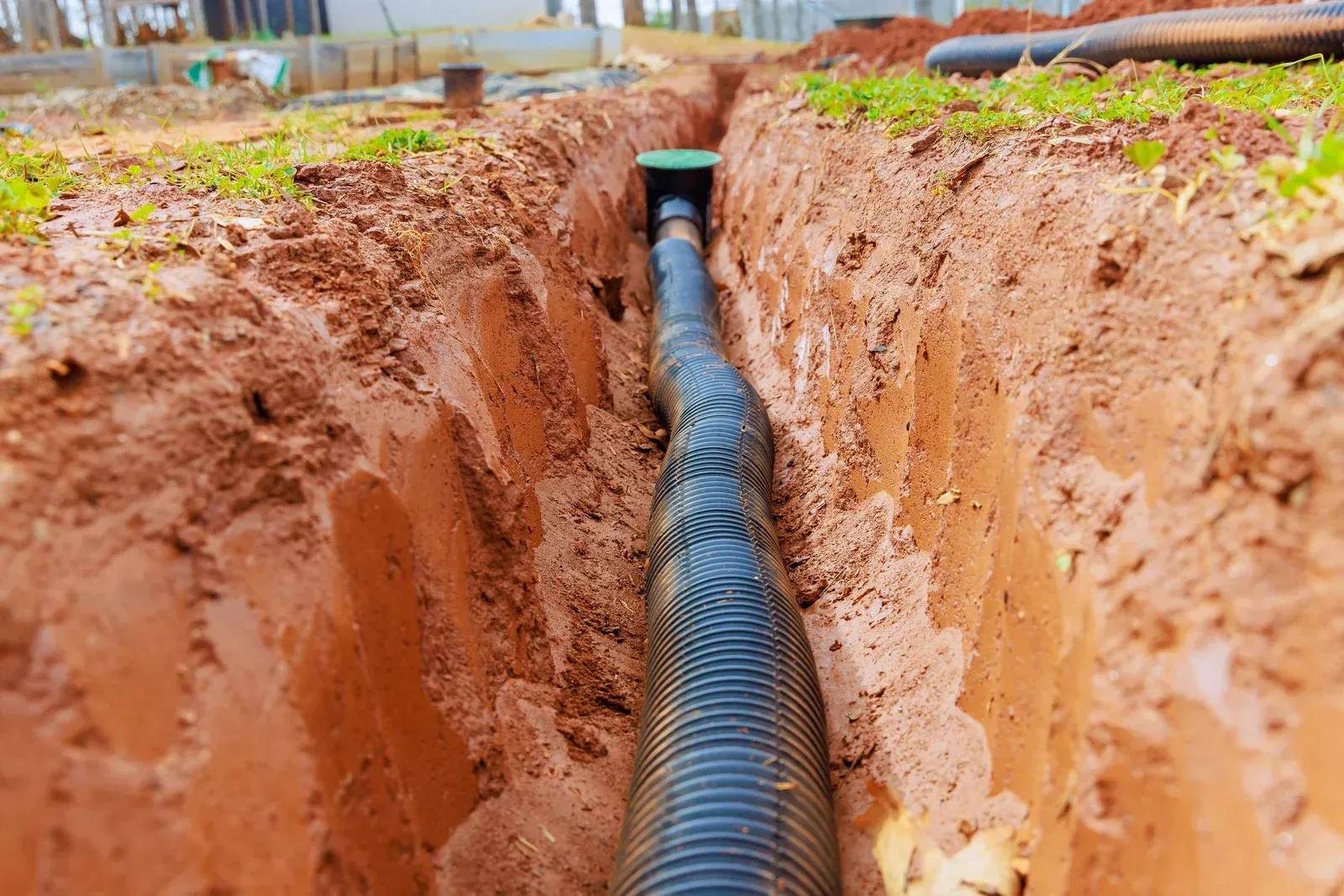
I install subsurface drainage solutions that manage groundwater buildup beneath soil surfaces. Using properly placed drain lines and aggregate, excess water is collected and redirected safely. This method is effective for soggy ground, trail foundations, and low-lying areas where surface drainage alone cannot control persistent moisture issues.
Erosion Control Solutions
I implement erosion control measures that stabilize soil and protect sloped terrain. Through grading adjustments, drainage channels, and reinforcement methods, soil displacement is reduced during heavy rainfall. This service helps preserve land contours, prevent sediment runoff, and extend the lifespan of trails, embankments, and landscaped areas.
Trail Drainage Integration
I integrate drainage systems directly into recreational trail construction and restoration projects. Proper cross-drain placement, water bars, and slope management prevent trail washouts. This approach ensures safe, usable trails that resist damage from seasonal weather patterns common throughout Maine’s varied regions.
Foundation Water Management
I address water issues surrounding foundations by improving grading and installing drainage features that move water away from structures. Proper runoff control reduces hydrostatic pressure, limits moisture intrusion, and supports long-term structural stability without relying on temporary or surface-level fixes.
Stormwater Planning and Layout
I develop stormwater management layouts tailored to site-specific conditions. By analyzing land slope, soil absorption, and runoff patterns, drainage components are positioned for optimal performance. This service supports regulatory compliance, environmental responsibility, and consistent water control across developed and undeveloped properties.
Benefits of Professional Drainage & Water Management
Long-Term Property Protection
Professional drainage and water management protect land and structures from ongoing moisture damage. Properly designed systems prevent soil saturation, erosion, and water intrusion. This level of protection supports durability, reduces repair costs, and preserves the functional value of properties exposed to Maine’s changing seasonal weather conditions.
Improved Land Stability
Stabilized ground conditions result from controlled water movement across a site. Effective drainage prevents soil shifting, rutting, and washouts. Stable land supports safer access, stronger foundations, and reliable trail use, especially in regions where freeze-thaw cycles and heavy precipitation are common.
Reduced Maintenance Demands
Well-executed drainage systems minimize recurring maintenance needs. Controlled runoff limits sediment buildup, standing water, and erosion damage. This benefit reduces ongoing labor, equipment wear, and restoration costs while maintaining consistent site performance throughout the year.
Enhanced Environmental Balance
Professional water management promotes responsible interaction with natural ecosystems. Proper drainage reduces uncontrolled runoff and sediment displacement into nearby areas. This approach helps maintain soil health, protects surrounding land features, and supports environmentally conscious land use practices.
Increased Usability of Outdoor Spaces
Dry, well-drained surfaces improve the usability of trails, access roads, and open land. Consistent water control allows properties to remain functional after storms and snowmelt. This benefit enhances safety, accessibility, and overall land enjoyment without seasonal interruptions.
Compliance With Regional Standards
Professionally planned drainage supports alignment with regional environmental and construction expectations. Proper runoff control and erosion management reduce regulatory concerns. This benefit provides confidence that land improvements meet practical standards suited to Maine’s geographic and climatic conditions.
BENEFITS 1
Insert content
BENEFITS 2
Insert content
BENEFITS 3
Insert content
Protecting Trails and Structures With Effective Water Management
Effective drainage and water management require experience, planning, and respect for the land. Trail & Earth
applies proven excavation practices to protect properties throughout Richmond, Maine, and surrounding regions, including Sanford, Saco, Augusta, Brunswick, Westbrook, Waterville, and Scarborough. Each project focuses on guiding water responsibly, preserving soil stability, and reducing erosion risks across varied terrain. Drainage solutions are designed to support long-term land use, whether for recreation, access, or structural protection. Thoughtful grading, proper system placement, and attention to natural water flow help prevent recurring problems that compromise property value. Water management is approached as an integrated part of land development, not an afterthought or temporary correction. By prioritizing durability and environmental balance, drainage systems remain effective through Maine’s demanding seasonal cycles. With careful execution and decades of regional experience, drainage and water management projects deliver reliable performance that supports safe, stable, and sustainable land use for years to come.
FAQ's
Got Questions? We’ve Got Answers.
Why is drainage important for properties in Maine?
Maine experiences heavy rainfall, snow accumulation, and seasonal thawing, which create excess water challenges that can damage landscapes. Without proper drainage, water can weaken soil structure, cause significant erosion, and impact foundations or trails. Effective water management ensures land remains stable, usable, and fully protected throughout every season.
How does drainage improve recreational trail longevity?
Drainage prevents water from pooling on trails or flowing directly down their surfaces, which can erode paths quickly. Proper water control significantly reduces erosion and trail washouts, keeping trails safe, smooth, and passable for recreational use. This is especially important in areas with frequent precipitation and steep, uneven terrain.
What signs indicate poor drainage on a property?
Standing water, muddy areas, soil erosion, and uneven ground often signal drainage problems that require attention. These issues tend to worsen after heavy storms or snowmelt periods. Addressing them early helps prevent long-term damage to land features, structural foundations, and recreational areas, avoiding costly repairs over time.
Can drainage systems be added to existing properties?
Drainage solutions can be integrated into existing landscapes through precise excavation and grading. Subsurface drains, swales, and slope adjustments can effectively address water issues without major disruption when carefully planned and executed by experienced professionals with an understanding of natural water flow patterns.
How does local geography affect drainage design?
Soil composition, land slope, and regional water tables heavily influence drainage system designs. Properties around Richmond, Maine, and other cities require solutions that account for clay-rich soils, elevation differences, and seasonal moisture fluctuations to control runoff and keep the landscape stable year-round efficiently.
Is drainage planning important before new construction?
Drainage planning before any construction project prevents future water-related issues and structural damage. Proper site preparation ensures runoff is efficiently managed from the start, protecting foundations, trails, and landscaped areas. Early planning significantly reduces costly corrections and maintains long-term usability and land stability for years.
How does Trail & Earth approach drainage projects?
Trail & Earth assesses natural water movement, soil conditions, and intended land use goals before implementing any drainage solutions. Projects in Richmond, Maine, are carefully designed to ensure long-lasting performance, environmental responsibility, and durability rather than relying on temporary fixes that fail under seasonal water pressures or storm events.
What makes professional drainage different from basic grading?
Professional drainage includes detailed analysis, strategic design, and careful installation of systems that actively control both surface and subsurface water flow. Unlike basic grading, professional solutions provide comprehensive runoff management, preventing soil erosion, structural damage, and landscape instability while enhancing long-term usability and safety of all land types.
BENEFITS 1
Insert content
BENEFITS 2
Insert content
BENEFITS 3
Insert content
BENEFITS 1
Insert content
BENEFITS 2
Insert content
BENEFITS 3
Insert content