
Hiking & Walking Trail Development in Richmond, Maine
OR GIVE US A CALL
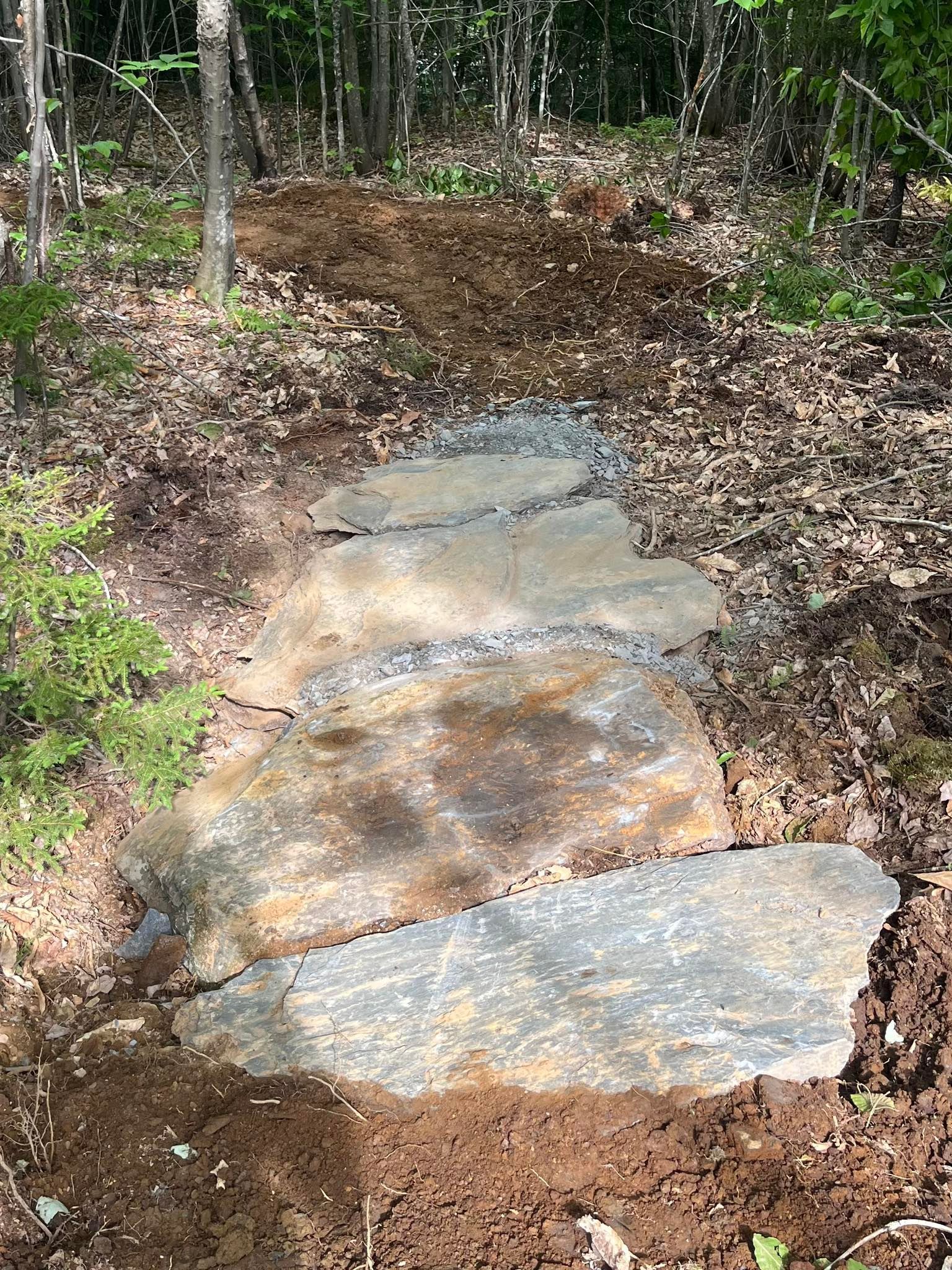
Shaping Outdoor Spaces Into Inviting, Walkable Environments
Hiking and walking trails play a vital role in shaping how people experience land, nature, and community spaces, especially across Richmond, Maine, and surrounding regions, including Portland, Lewiston, Bangor, South Portland, Auburn, and Biddeford. With over 30
years of hands-on field experience, Trail & Earth
brings a disciplined, land-respectful approach to creating trails that feel natural, durable, and safe. Every project is grounded in local terrain knowledge, seasonal considerations, and long-term usability, ensuring trails serve both recreational and environmental purposes without compromising the landscape.
Richmond, Maine sits within a unique ecological and cultural corridor, influenced by coastal weather patterns, inland forests, and varied soil conditions common throughout Sagadahoc County and central Maine. Hiking and walking trail development in this region requires more than machinery—it demands planning that accounts for drainage, erosion control, wildlife movement, and year-round accessibility. From wooded private parcels to community-access trails, the process balances usability with preservation. Each trail is shaped to invite exploration while maintaining harmony with existing land features and regional character.
Over time, thoughtfully built trails become lasting assets, enhancing property value, supporting outdoor recreation, and strengthening community connections. Well-designed walking paths encourage healthier lifestyles, tourism opportunities, and responsible land use throughout Maine’s towns and rural areas. By combining excavation expertise with recreational trail construction principles, projects are delivered with precision, safety, and respect for the land. The goal remains simple: create trails that endure Maine’s seasons, feel intuitive underfoot, and reflect the natural beauty of the region they serve.
Hiking & Walking Trail Development Services
Trail Planning and Layout Design
I begin every project with careful trail planning that considers natural contours, soil stability, drainage patterns, and intended user experience. Layout decisions focus on sustainable grades, logical access points, and scenic flow. This approach minimizes long-term maintenance while creating walking paths that feel intuitive, safe, and visually connected to the surrounding landscape throughout every season.
Land Clearing and Corridor Preparation
I handle selective clearing to establish trail corridors without unnecessary disturbance. Vegetation removal is targeted to preserve mature trees, native plants, and natural buffers. By opening only what is required, the trail blends seamlessly into the environment while maintaining clear sightlines, safe passage, and long-term ecological balance across varied terrain.
Excavation and Grading for Walkability
I shape trail surfaces through precise excavation and grading techniques that ensure stable footing and consistent elevation. Attention is given to slope control, soil compaction, and surface transitions. This process creates trails suitable for casual walkers and hikers, reducing erosion risks while supporting durability through seasonal freeze-thaw cycles.
Drainage and Erosion Control Integration
I incorporate drainage solutions directly into trail construction to manage water flow effectively. Features such as subtle crowning, water bars, and natural runoff channels protect trail integrity. These measures prevent pooling, washouts, and long-term damage, ensuring the walking trail remains accessible and safe during Maine’s wet seasons.
Natural Surface Finishing
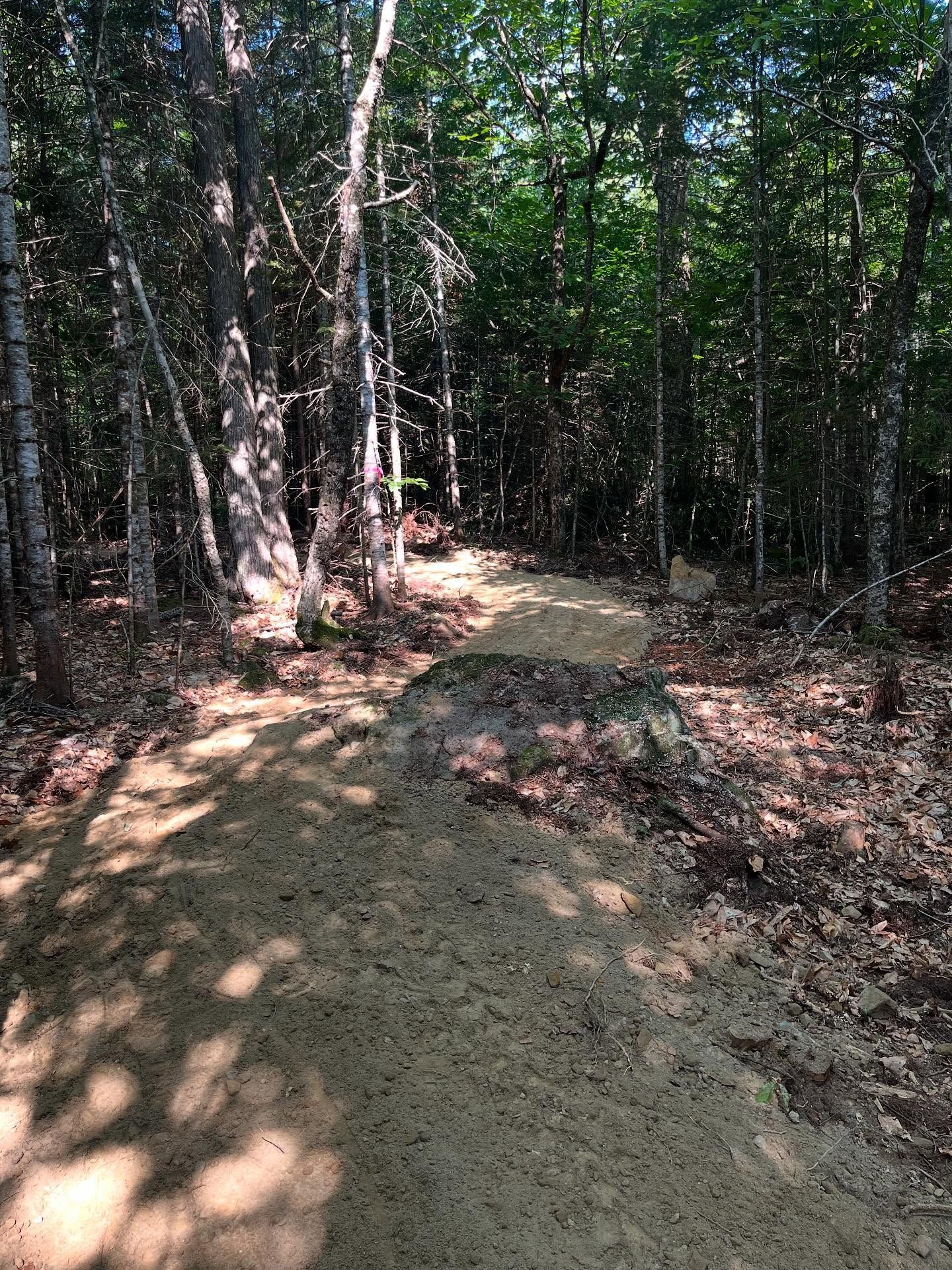
I finish trails using materials that suit the surrounding environment, including native soils, gravel blends, or stabilized surfaces. The goal is a comfortable walking experience that complements the land’s character. Proper finishing improves traction, reduces maintenance demands, and enhances the overall aesthetic appeal of the trail.
Long-Term Trail Sustainability Adjustments
I evaluate completed trails for longevity, making adjustments that improve durability and user experience. Minor reroutes, reinforcement, or surface refinements help trails adapt to natural settling and usage patterns. This forward-thinking approach ensures the trail remains functional, attractive, and safe for years of consistent foot traffic.
Benefits of Professional Hiking & Walking Trail Development
Enhanced Safety and Accessibility
Professionally developed trails prioritize consistent grades, stable surfaces, and clear pathways that reduce trip hazards and fatigue. Proper planning ensures walkers of varying abilities can enjoy the trail comfortably. These safety-focused design principles support year-round use while minimizing risks associated with uneven terrain, erosion, and poor drainage conditions.
Long-Term Durability and Reduced Maintenance
Expert trail construction techniques significantly extend the lifespan of walking paths. Proper excavation, grading, and drainage integration prevent common issues like washouts and surface degradation. Durable trails require fewer repairs over time, saving resources while maintaining a high-quality experience for walkers and landowners alike.
Environmentally Responsible Land Use
Sustainable trail development respects natural ecosystems by working with existing land features rather than against them. Thoughtful routing protects vegetation, manages water flow, and minimizes soil disturbance. This approach preserves wildlife habitats and natural beauty while allowing responsible public or private recreational access.
Improved Property and Community Value
Well-designed walking trails enhance the usability and appeal of land. Properties with established trails often experience increased recreational value and community interest. Trails can support outdoor programs, tourism, and healthy lifestyles, making them a meaningful long-term investment for both private owners and public spaces.
Consistent User Experience Across Seasons
Professional construction accounts for seasonal changes common to the region, including heavy rainfall, snowmelt, and freezing conditions. Trails built with these factors in mind remain walkable and visually appealing throughout the year, providing reliable access regardless of weather fluctuations or temperature extremes.
Compliance with Best Practices and Standards
Experienced trail development follows proven construction standards that promote safety, sustainability, and usability. Proper grading, drainage, and surface preparation align with accepted recreational trail guidelines. This professional approach ensures trails meet expectations for quality, performance, and responsible land stewardship.
BENEFITS 1
Insert content
BENEFITS 2
Insert content
BENEFITS 3
Insert content
Sustainable Hiking & Walking Trail Construction Solutions
Trail development is more than shaping paths—it is about creating lasting connections between people and the land across Richmond, Maine, and surrounding regions, including Sanford, Saco, Augusta, Brunswick, Westbrook, Waterville, and Scarborough. With over 30
years of experience, Trail & Earth
approaches each project with technical precision, environmental awareness, and respect for local terrain. Trails are designed to endure seasonal changes while providing safe, enjoyable access for walkers and hikers of all levels. Every phase of construction emphasizes balance between usability and preservation. Proper planning, excavation, grading, and drainage ensure trails remain functional without disrupting natural systems. Walking paths become assets that support recreation, wellness, and responsible land use, whether on private property or shared spaces. Thoughtfully built trails encourage exploration while protecting the landscape beneath each step. Investing in professional hiking and walking trail development delivers long-term value through durability, safety, and reduced maintenance.
FAQ's
Got Questions? We’ve Got Answers.
What makes professional trail development different from informal paths?
Professional trail development involves planned layouts, proper grading, drainage control, and surface preparation. These elements prevent erosion, improve safety, and extend trail lifespan. Informal paths often degrade quickly, while professionally built trails remain stable, accessible, and environmentally responsible over time.
How does terrain in central Maine affect trail construction?
The varied soils, forest density, and seasonal moisture levels common in central Maine require careful excavation and drainage planning. Trails must accommodate freeze-thaw cycles and runoff. Professional development adapts construction methods to these conditions, ensuring consistent walkability throughout the year.
Can walking trails be developed on private land?
Yes, walking trails can be designed specifically for private properties, including wooded parcels and open land. Layouts are customized to property goals, terrain, and usage preferences. Trails enhance recreational enjoyment while respecting boundaries, privacy, and long-term land management objectives.
How long does a typical hiking or walking trail project take?
Project timelines vary based on trail length, terrain complexity, and environmental considerations. Smaller walking paths may take days, while longer trails require more planning and construction time. Proper scheduling ensures quality results without compromising land stability or safety standards.
Are professionally built trails environmentally safe?
Yes, when designed correctly, trails support environmental health by controlling erosion and directing foot traffic responsibly. Sustainable construction techniques protect vegetation and soil. This approach reduces long-term land damage compared to unmanaged footpaths that develop through repeated use.
Does Trail & Earth work on trails near Richmond, Maine?
Trail & Earth provides hiking and walking trail development throughout Richmond, Maine, and surrounding regions, including Portland, Lewiston, and Bangor. Projects reflect regional terrain knowledge and long-term experience, ensuring trails are built to withstand local environmental conditions responsibly.
What kind of maintenance do walking trails require?
Professionally developed trails require minimal maintenance compared to informal paths. Occasional inspections, minor surface adjustments, and vegetation management help preserve quality. Proper initial construction significantly reduces the need for frequent repairs or major restoration work.
Why is local experience important for trail development projects?
Local experience ensures familiarity with soil conditions, weather patterns, and land-use expectations. In areas like Richmond, Maine, this knowledge helps anticipate challenges and apply proven solutions. Trail & Earth applies regional insight to deliver durable, well-integrated trail systems.
BENEFITS 1
Insert content
BENEFITS 2
Insert content
BENEFITS 3
Insert content
BENEFITS 1
Insert content
BENEFITS 2
Insert content
BENEFITS 3
Insert content