Designing Trails That Enhance Both Land and Experience
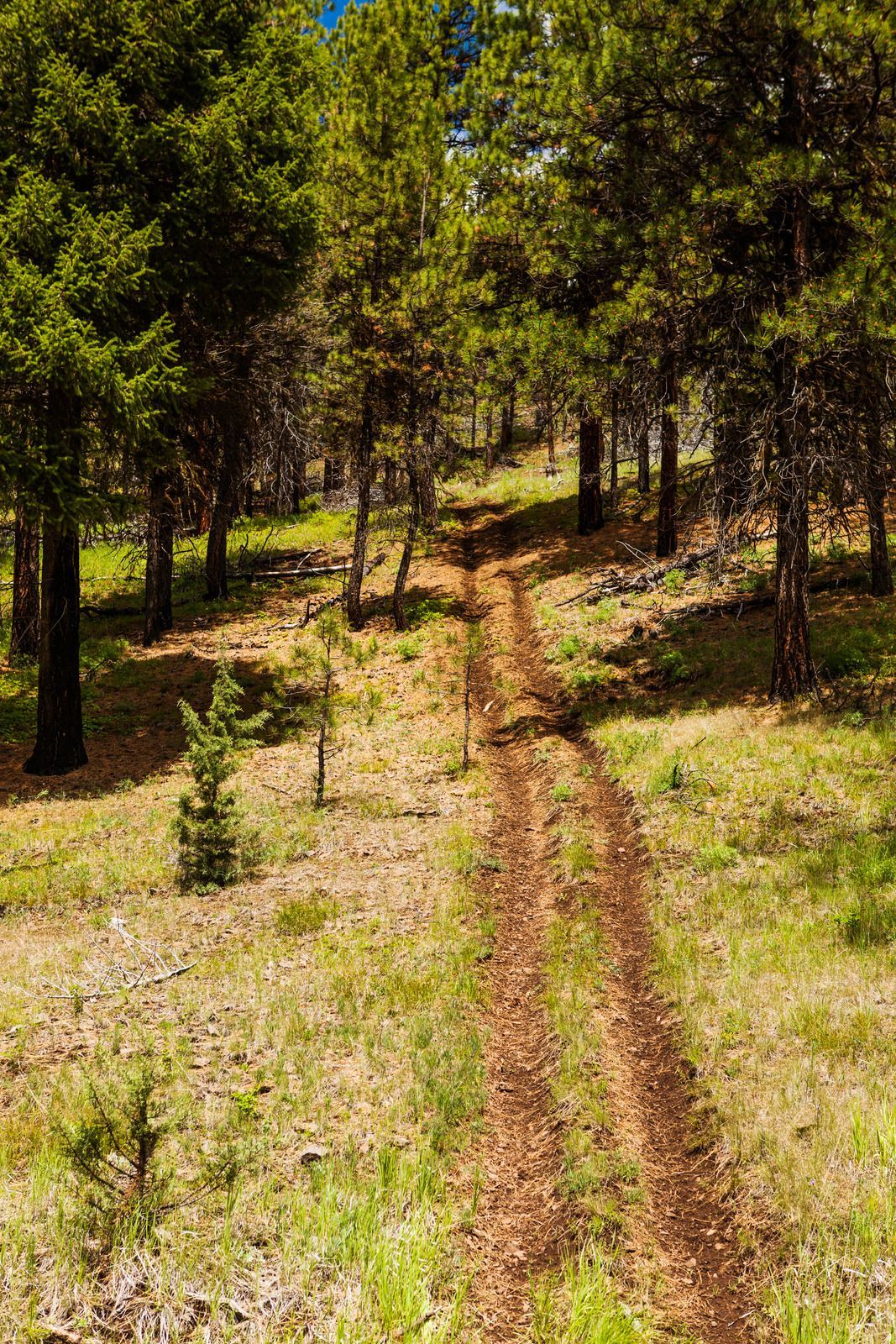
Trail & Earth brings more than 30 years of hands-on excavation and recreational trail construction experience to property owners and land managers across Richmond, Maine, and surrounding regions, including Portland, Lewiston, Bangor, South Portland, Auburn, and Biddeford. ATV and UTV trail building in this part of the state requires a deep understanding of Maine’s terrain, from rocky soils and forested lowlands to wetlands and elevation changes common throughout Sagadahoc County and neighboring areas. I focus on creating trails that respect the land while delivering reliable, high-performance riding routes suited for recreational and utility use alike. Every project begins with careful planning that balances land use goals, safety expectations, and long-term durability.
Building ATV and UTV trails in central and southern Maine is not simply about clearing a path. It involves precise grading, proper drainage design, erosion control, and alignment that matches the natural contours of the land. Trails must withstand seasonal freeze-thaw cycles, spring runoff, and heavy recreational traffic common during Maine’s riding seasons. I approach each project with a practical mindset shaped by decades of excavation work, ensuring trails remain functional, safe, and enjoyable year after year without excessive maintenance demands.
Recreational trail construction also plays an important role in responsible land management. Well-built ATV and UTV trails help control rider movement, reduce environmental impact, and preserve surrounding vegetation. By integrating trail layout with existing landscapes, property owners in and around the region gain a sustainable recreational asset that adds value and usability to their land. The goal is always to deliver a trail system that performs reliably, aligns with local land conditions, and meets the expectations of serious riders and landowners alike.
ATV & UTV Trail Building Services
Custom Trail Layout & Planning
I begin every trail project with detailed layout and planning tailored to the property’s terrain, soil conditions, and intended riding style. This process includes evaluating slopes, natural obstacles, and drainage patterns. Proper planning ensures trails flow naturally, minimize erosion risks, and remain enjoyable while meeting safety expectations and long-term land management goals across varying seasonal conditions.
Clearing & Corridor Preparation
I handle selective clearing to establish trail corridors without unnecessary land disturbance. Trees, brush, and surface debris are removed strategically to maintain natural buffers and sightlines. This approach supports responsible land use while creating defined paths suitable for ATV and UTV traffic, reducing off-trail riding and preserving surrounding woodland integrity throughout the property.
Grading & Surface Shaping
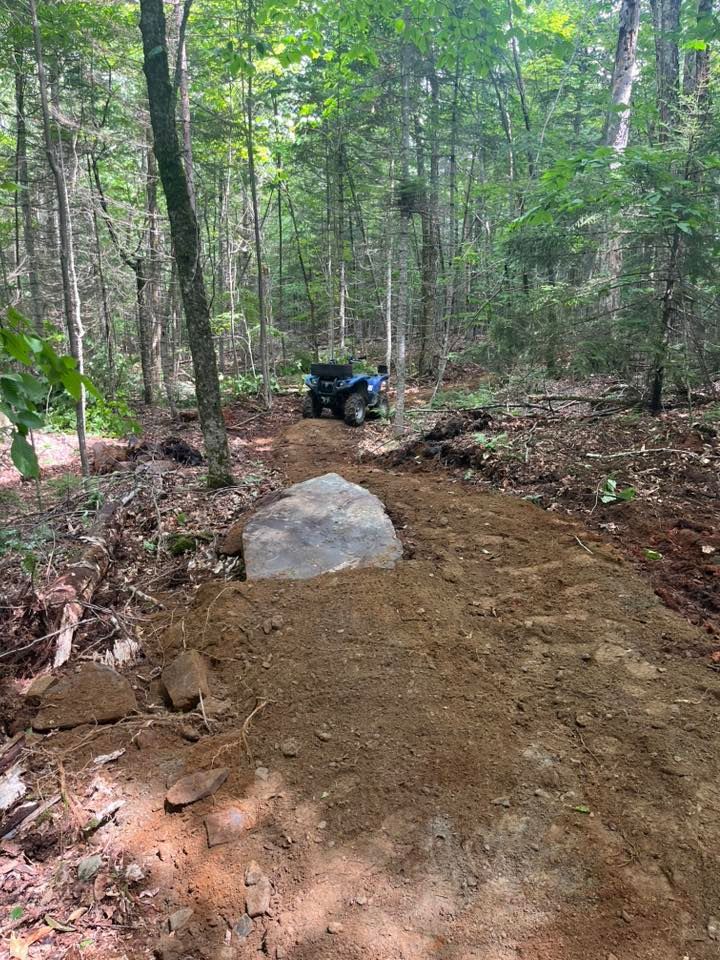
I shape trail surfaces using precise grading techniques that promote stability and rider comfort. Attention is given to crowning, banking, and slope transitions to manage water flow and reduce rutting. Proper grading is essential for trails that withstand repeated use and Maine’s changing weather without becoming hazardous or difficult to maintain.
Drainage & Water Management
I integrate drainage solutions directly into trail construction to prevent washouts and standing water. This includes installing water bars, dips, and natural diversions that move runoff safely away from riding surfaces. Effective drainage protects trail integrity, extends lifespan, and reduces maintenance demands caused by seasonal rain and snowmelt.
Erosion Control Measures
I apply erosion control practices suited to local soil and terrain conditions. Stabilization methods may include reinforcement of high-impact areas, controlled slopes, and vegetation preservation. These measures help maintain trail shape, protect surrounding land, and ensure compliance with responsible land stewardship practices expected throughout Maine’s recreational landscapes.
Trail Expansion & Upgrades
I provide trail expansion and improvement services for existing ATV and UTV systems. This includes widening, regrading, rerouting problem areas, and enhancing safety features. Upgrades are designed to improve ride quality, adapt to increased usage, and align older trails with modern performance and durability standards without unnecessary reconstruction.
Benefits of Professional ATV & UTV Trail Building
Enhanced Trail Safety
Professionally built trails incorporate controlled grades, proper sightlines, and stable surfaces that significantly reduce accident risks. Consistent construction standards help riders anticipate terrain changes, maintain control, and navigate trails confidently. Safety-focused design is essential for recreational properties where varying rider skill levels share the same trail network regularly.
Long-Term Durability
Expert trail construction focuses on longevity by addressing soil composition, water movement, and load-bearing requirements. Durable trails resist rutting, washouts, and surface degradation caused by repeated ATV and UTV traffic. This durability minimizes repair frequency and protects the land investment over many years of recreational use.
Reduced Environmental Impact
Professionally designed trails concentrate vehicle traffic into designated corridors, limiting damage to surrounding vegetation and soil. Strategic alignment and erosion control help preserve natural habitats while maintaining recreational access. Responsible construction supports sustainable land use practices expected by property owners and land managers throughout Maine.
Lower Maintenance Requirements
Trails built with proper grading and drainage demand significantly less ongoing maintenance. Water is directed away from surfaces, reducing mud buildup and structural damage. Lower maintenance requirements save time, effort, and long-term costs while keeping trails consistently rideable across changing seasons and weather conditions.
Improved Riding Experience
Well-constructed ATV and UTV trails provide smoother transitions, predictable turns, and stable riding surfaces. This enhances comfort and enjoyment for recreational riders and utility users alike. A thoughtfully designed trail system encourages repeat use and maximizes the overall recreational value of the property.
Increased Property Value
Professional trail systems add functional and recreational value to rural and recreational properties. Well-maintained trails appeal to outdoor enthusiasts and land buyers seeking ready-to-use amenities. Quality construction reflects responsible land management, making properties more attractive within Maine’s active outdoor recreation market.
BENEFITS 1
Insert content
BENEFITS 2
Insert content
BENEFITS 3
Insert content
Crafting Durable ATV and UTV Trails Professionally
Trail & Earth
delivers dependable ATV and UTV trail building backed by decades of excavation expertise, serving Richmond, Maine, and surrounding regions, including Sanford, Saco, Augusta, Brunswick, Westbrook, Waterville, and Scarborough. Every project reflects a disciplined approach to grading, drainage, and land stewardship shaped by real-world experience. Trails are designed to perform reliably through Maine’s demanding seasonal cycles while supporting safe, enjoyable recreational use. Professional trail construction is an investment in both land usability and long-term sustainability. Thoughtful planning, precise execution, and respect for natural terrain result in trail systems that require less maintenance and offer consistent performance. Property owners benefit from trails that enhance access, recreation, and overall land value without unnecessary environmental impact. Reliable trail systems encourage responsible riding, preserve land integrity, and support Maine’s strong outdoor recreation culture. Professional construction provides confidence that trails will endure, perform safely, and remain enjoyable for years to come.
FAQ's
Got Questions? We’ve Got Answers.
What makes ATV and UTV trail construction different from basic land clearing?
ATV and UTV trail construction involves engineered grading, drainage planning, and erosion control rather than simple clearing. Proper construction ensures trails remain safe, durable, and environmentally responsible. This approach prevents long-term damage and creates a sustainable recreational asset instead of temporary paths.
How wide should an ATV or UTV trail be for safe use?
Trail width depends on intended vehicle types, traffic volume, and terrain. ATV trails are typically narrower, while UTV trails require additional clearance. Proper width planning improves visibility, reduces collision risks, and allows safe maneuvering across varying trail conditions.
Can trails be built on sloped or uneven land?
Yes, trails can be built on slopes using proper grading, switchbacks, and erosion control methods. Careful alignment and surface shaping allow trails to follow natural contours safely. Professional construction ensures stability and prevents runoff issues common on uneven terrain.
How does drainage affect trail longevity in Maine’s climate?
Drainage is critical due to heavy rainfall, snowmelt, and freeze-thaw cycles. Proper water management prevents washouts, mud accumulation, and surface failure. Trails designed with drainage in mind remain functional throughout seasonal changes common in Maine.
Is permitting required for ATV and UTV trail construction?
Permitting requirements vary depending on land use, proximity to wetlands, and environmental regulations. In Richmond, Maine, and surrounding regions, local guidelines may apply. Consulting experienced professionals helps ensure trail projects align with applicable regulations and land use expectations.
How long does it take to build a typical ATV or UTV trail?
Project timelines depend on trail length, terrain complexity, and site conditions. Smaller systems may take days, while larger networks require additional time. Efficient planning and proper equipment use help maintain realistic schedules without compromising construction quality.
Can existing trails be improved without full reconstruction?
Many existing trails can be upgraded through regrading, drainage improvements, and erosion control. Targeted enhancements address problem areas while preserving usable sections. This approach improves safety and durability without the cost of complete trail replacement.
Why choose Trail & Earth for ATV and UTV trail projects?
Trail & Earth brings over 30 years of excavation and recreational trail construction experience serving Richmond, Maine. Extensive regional knowledge supports durable, land-conscious trail systems suited to Maine’s terrain and climate, delivering dependable results for recreational properties.
BENEFITS 1
Insert content
BENEFITS 2
Insert content
BENEFITS 3
Insert content
BENEFITS 1
Insert content
BENEFITS 2
Insert content
BENEFITS 3
Insert content