
Recreational Trail Construction Services in Richmond, Maine
OR GIVE US A CALL
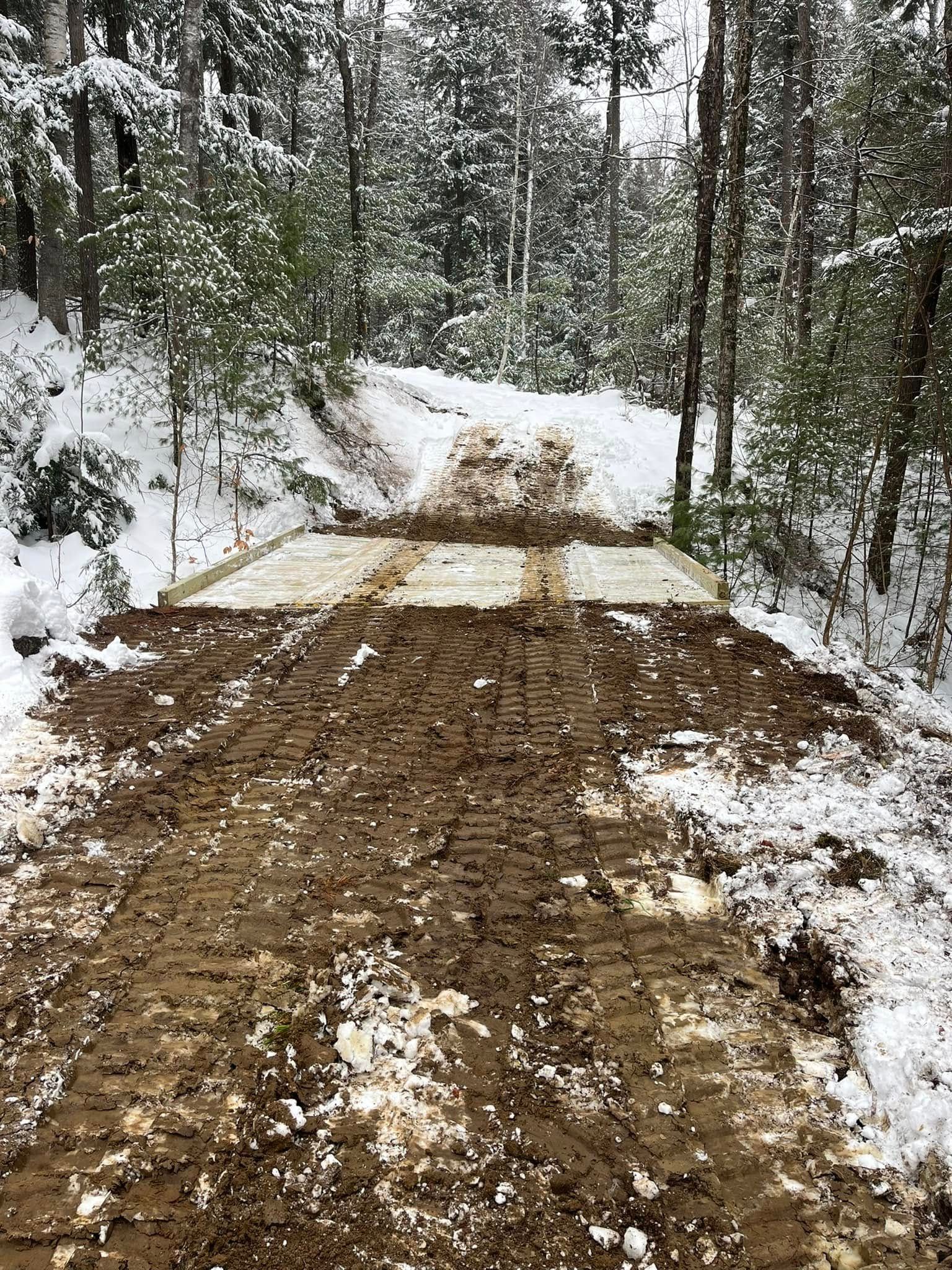
Precision Trail Construction Supporting Recreation and Land Preservation
Recreational trail construction requires deep knowledge of terrain, drainage, soil behavior, and long-term land use. In Richmond, Maine, and surrounding regions including Portland, Lewiston, Bangor, South Portland, Auburn, and Biddeford, Trail & Earth
delivers purpose-driven trail construction shaped by decades of hands-on excavation experience. Every trail must respect the land, enhance usability, and withstand Maine’s changing seasons. From wooded parcels and rolling farmland to waterfront properties and conservation land, careful planning ensures trails remain functional, safe, and environmentally responsible.
The Midcoast and Central Maine regions present unique challenges, including rocky soils, wetlands, elevation changes, and freeze-thaw cycles. Recreational trails must be built with precise grading, drainage control, and surface preparation to prevent erosion and premature deterioration. A professionally constructed trail creates long-term value for private landowners, municipalities, camps, and outdoor recreation areas while preserving the natural beauty that defines this part of Maine. Thoughtful excavation methods ensure trails blend naturally into existing landscapes without unnecessary disruption.
Recreational trails serve more than one purpose. They support hiking, ATV use, snowmobiling, horseback riding, and access to remote land areas for maintenance or enjoyment. Proper construction ensures trails remain passable throughout the year while reducing maintenance needs. With over 30
years of excavation and trail-building knowledge applied across Maine’s varied terrain, projects are approached with technical precision, environmental awareness, and a clear understanding of how trails are used over time.
Recreational Trail Construction Services
Trail Layout and Planning
I evaluate terrain, soil composition, slopes, and intended use to design trail layouts that function safely and naturally. Planning focuses on minimizing erosion, avoiding sensitive areas, and creating smooth transitions through wooded, open, and uneven ground. Each route is developed to enhance accessibility, longevity, and visual appeal while respecting existing land features and seasonal conditions.
Land Clearing for Trails
I clear vegetation selectively to establish defined trail corridors without over-disturbing surrounding land. Trees, brush, and roots are removed strategically to protect soil stability and preserve natural buffers. This process improves visibility, safety, and long-term trail durability while maintaining the surrounding environment’s integrity and natural character.
Trail Grading and Shaping
I grade trails to ensure proper slope, drainage, and rideability for the intended activity. Precision shaping reduces water pooling, rutting, and erosion caused by rainfall and snowmelt. Each trail is contoured to match the land’s natural flow, improving comfort, safety, and year-round usability across Maine’s changing weather conditions.
Drainage and Erosion Control
I integrate drainage features such as swales, culverts, and crowning to manage surface water effectively. Proper water control prevents washouts, preserves trail surfaces, and protects nearby land. This step is critical for maintaining trail integrity in regions prone to heavy rain, thaw cycles, and seasonal runoff.
Trail Surface Preparation
I prepare trail surfaces using native materials, gravel, or reinforced base layers depending on usage requirements. Surface preparation improves traction, reduces maintenance, and enhances durability for foot traffic or recreational vehicles. Each surface is selected and installed to withstand long-term use and Maine’s demanding climate conditions.
Trail Expansion and Restoration
I restore existing trails and expand current networks to improve access and safety. Worn, eroded, or poorly designed trails are reshaped and reinforced for improved performance. Expansion work connects new areas seamlessly while maintaining consistent quality, usability, and environmental balance throughout the entire trail system.
Benefits of Professional Recreational Trail Construction
Long-Term Durability
Professionally constructed recreational trails are built to withstand heavy use, seasonal weather changes, and natural wear. Proper grading, material selection, and drainage design extend trail lifespan significantly. Durable trails reduce repair costs and prevent frequent disruptions caused by erosion, surface failure, or poor water management.
Environmental Protection
Professional construction methods protect surrounding ecosystems by minimizing soil disturbance and controlling runoff. Trails designed with environmental awareness reduce sediment displacement and preserve nearby vegetation. Responsible practices ensure recreational access coexists with conservation goals, protecting wildlife habitats and maintaining the land’s natural balance.
Improved User Safety
Well-designed trails improve safety through consistent grading, stable surfaces, and clear sightlines. Proper construction reduces hazards such as washouts, sudden drops, and unstable footing. Users benefit from predictable conditions that support enjoyable outdoor activities across different seasons and recreational uses.
Reduced Maintenance Needs
Professionally built trails require less ongoing maintenance due to proper foundational work and drainage planning. Reduced erosion, controlled water flow, and durable surfaces minimize repair frequency. Lower maintenance demands save time and resources while keeping trails accessible and functional year-round.
Enhanced Property Value
Recreational trails increase the usability and appeal of private and commercial properties. Thoughtfully designed trails enhance land functionality for recreation, access, and land management. Well-constructed trail systems contribute to long-term value while showcasing responsible land stewardship and thoughtful development.
Compliance and Best Practices
Professional trail construction follows industry best practices for grading, drainage, and environmental responsibility. Proper execution ensures trails meet usage requirements while aligning with local land-use expectations. Adhering to proven construction standards supports safe, reliable trails built for longevity and consistent performance.
BENEFITS 1
Insert content
BENEFITS 2
Insert content
BENEFITS 3
Insert content
Long-Lasting Trail Solutions for Diverse Outdoor Activities
Recreational trail construction blends technical excavation skill with an understanding of land use, environmental responsibility, and long-term functionality. In Richmond, Maine, and surrounding regions, including Sanford, Saco, Augusta, Brunswick, Westbrook, Waterville, and Scarborough, Trail & Earth
applies decades of hands-on experience to create trails that serve people while respecting the land. Each project begins with careful evaluation and ends with a trail built for durability, safety, and year-round enjoyment. Well-constructed recreational trails support outdoor lifestyles, land management, and community access. Choosing professional trail construction ensures long-term value, environmental protection, and reliable performance. Thoughtful planning and skilled execution transform raw land into accessible, enjoyable spaces that support recreation and stewardship. Recreational trails are more than pathways; they are lasting features that connect people to the land while maintaining its integrity for generations to come.
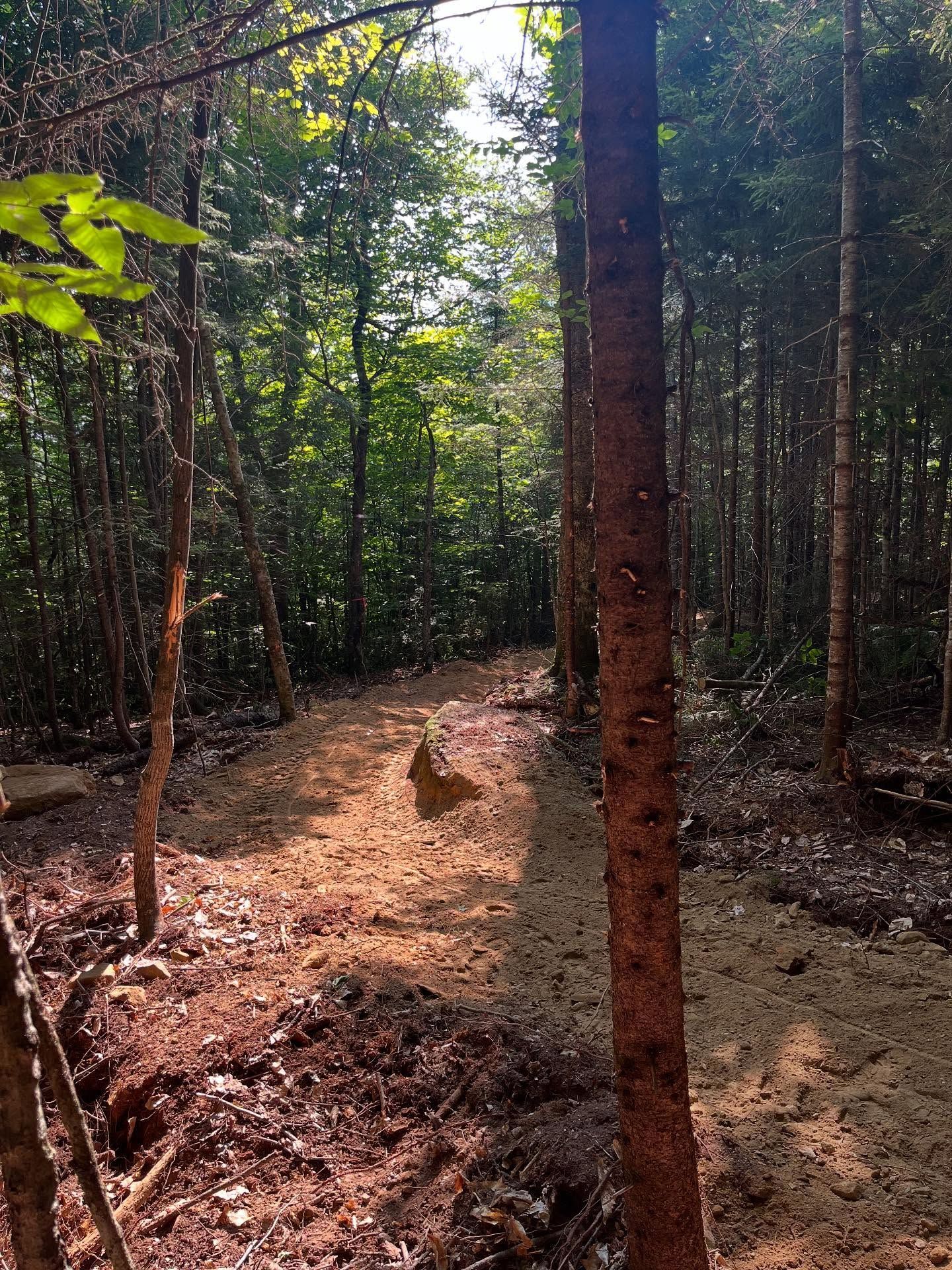
FAQ's
Got Questions? We’ve Got Answers.
What types of recreational trails can be constructed?
Recreational trail construction supports hiking, ATV riding, snowmobiling, horseback riding, and multi-use access trails. Each trail type requires specific grading, surface materials, and drainage considerations to ensure safety, durability, and compatibility with intended activities and seasonal use conditions. Proper planning also accommodates accessibility and long-term sustainability for all users.
How long does trail construction typically take?
Project timelines depend on trail length, terrain complexity, soil conditions, and weather. Smaller trail projects may take several days, while larger networks require additional time for clearing, grading, and drainage installation to ensure long-term performance and stability. Efficient scheduling also considers environmental constraints and seasonal factors for optimal construction.
Is recreational trail construction environmentally responsible?
Professional trail construction emphasizes erosion control, water management, and minimal land disturbance. Proper planning protects surrounding ecosystems while maintaining access. Responsible methods balance recreation needs with environmental preservation and long-term land sustainability, ensuring wildlife habitats, wetlands, and forested areas remain largely undisturbed during and after construction.
Can existing trails be improved or repaired?
Existing trails can be reshaped, widened, regraded, and reinforced to address erosion or safety concerns. Restoration improves usability, extends trail lifespan, and corrects previous construction flaws that contribute to water damage or excessive maintenance requirements. Rehabilitated trails can also accommodate additional recreational activities safely and efficiently.
What factors influence trail design decisions?
Trail design considers intended use, terrain slope, soil composition, drainage patterns, and seasonal conditions. These factors guide layout, grading, and material choices to ensure trails remain safe, functional, and durable throughout the year. Planning also accounts for environmental impact, accessibility, and the overall experience for trail users.
Do recreational trails require drainage systems?
Drainage is essential for preventing erosion and surface failure. Culverts, crowning, and swales manage runoff effectively. Proper drainage design protects trails from washouts caused by rainfall and snowmelt common throughout Maine. Effective drainage ensures trails stay usable during wet conditions and reduces long-term maintenance needs significantly.
Who provides recreational trail construction locally?
In Richmond, Maine, Trail & Earth provides recreational trail construction with experience across Central and Southern Maine landscapes. Projects benefit from regional knowledge of soil behavior, terrain challenges, and climate considerations specific to this area. Their expertise ensures trails are safe, durable, and environmentally responsible for every project type.
Can trails be built on uneven or wooded land?
Trails can be constructed on uneven, wooded, or sloped terrain using proper clearing, grading, and stabilization methods. Careful planning ensures trails integrate naturally with the land while maintaining safety, accessibility, and long-term durability. Appropriate trail surfacing and erosion control measures guarantee usability through varied landscapes and weather conditions.
BENEFITS 1
Insert content
BENEFITS 2
Insert content
BENEFITS 3
Insert content
BENEFITS 1
Insert content
BENEFITS 2
Insert content
BENEFITS 3
Insert content