Creating Functional Trails While Preserving Natural Landscapes
Private landowners across central and southern Maine increasingly recognize the value of well-designed trail systems that respect terrain, improve access, and support year-round recreation. Trail & Earth
brings more than 30
years of excavation and recreational trail construction experience to property owners throughout Richmond, Maine, and surrounding regions, including Portland, Lewiston, Bangor, South Portland, Auburn, and Biddeford. Private land trail systems require far more than cutting a path through the woods. Soil composition, drainage patterns, seasonal freeze-thaw cycles, and long-term land stewardship all influence how a trail performs over time. When these elements are addressed correctly, trails remain stable, safe, and enjoyable for decades rather than seasons.
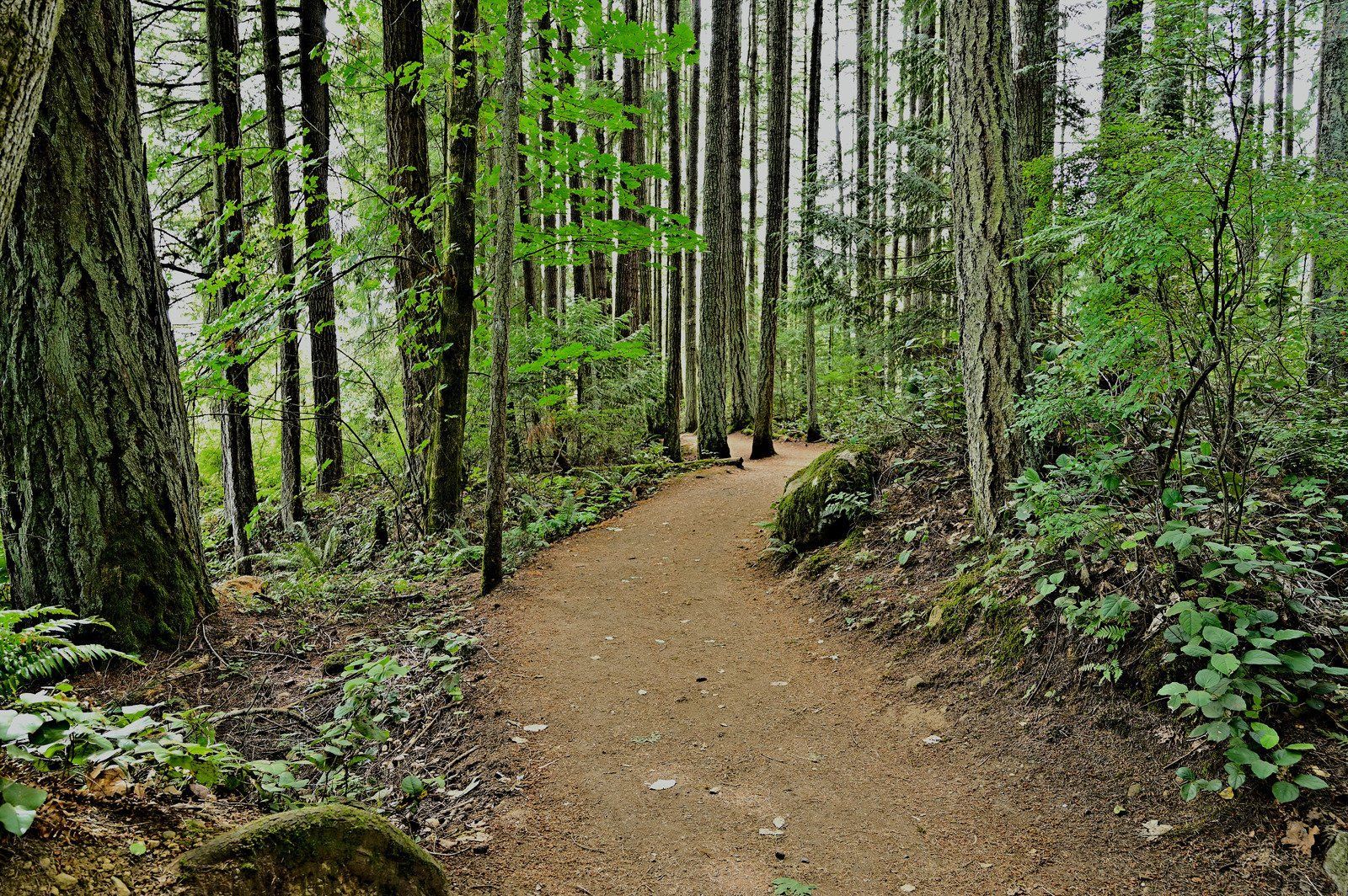
Maine’s diverse landscape demands thoughtful planning. Rolling woodlands, wetlands, rocky outcrops, and elevation changes found across Sagadahoc County and neighboring areas present both opportunities and challenges for private trail development. A properly constructed trail can connect fields, forests, and waterfront areas while protecting sensitive ground conditions. Snow load, spring runoff, and heavy autumn rains common to this region require trails that are engineered for durability. Attention to grade, base preparation, and erosion control ensures reliable access for walking, hiking, ATV use, or property management activities throughout the year.
Private land trail systems also enhance property usability and long-term value. Landowners benefit from safer navigation, reduced environmental impact, and improved recreational potential without compromising natural character. Carefully planned routes support hunting access, timber management, and family recreation while preserving soil integrity and natural drainage. With decades of hands-on experience in excavation and trail construction, each project reflects a balance between functional design and respect for Maine’s land. The result is a trail system that feels natural, performs reliably, and integrates seamlessly into the surrounding environment.
Private Land Trail System Services
Site Evaluation and Route Planning
I begin every private land trail system by walking the property and evaluating terrain, vegetation, slopes, and existing access points. This process identifies natural corridors, avoids sensitive areas, and determines optimal grades. Careful route planning reduces erosion risk, supports efficient construction, and ensures trails follow the land rather than fight it. Thoughtful planning also supports long-term maintenance efficiency.
Clearing and Corridor Preparation
I handle selective clearing to establish clean, navigable trail corridors without unnecessary disturbance. Trees, brush, and surface obstacles are removed strategically to maintain natural screening and visual appeal. This approach supports landowner goals while protecting surrounding vegetation. Proper clearing ensures safe passage for intended use while preserving the character of wooded and open areas.
Grading and Base Construction
I construct trail bases designed for Maine’s challenging soil and weather conditions. Proper grading promotes water runoff, while compacted base materials improve stability and longevity. This process reduces rutting, soft spots, and seasonal damage. A well-built base supports consistent use across wet springs, dry summers, and freezing winters without excessive maintenance.
Drainage and Water Control Features
I integrate drainage solutions such as water bars, swales, and culverts to manage runoff effectively. These features protect trail surfaces and surrounding land from erosion. Proper water control is essential for private trail systems in regions with heavy rainfall and snowmelt. Effective drainage extends trail lifespan and maintains safe, usable conditions year-round.
Multi-Use Trail Design
I design trails suited to specific landowner needs, whether walking, hiking, ATV access, or property management. Width, grade, and surface preparation are adjusted accordingly. This customization ensures trails remain safe and functional for intended uses. Multi-use design supports flexibility while maintaining durability and minimizing environmental impact across varied terrain.
Restoration and Integration Finishing
I complete projects with finishing work that blends trails naturally into the landscape. This includes smoothing transitions, stabilizing edges, and restoring disturbed areas. The goal is a trail system that appears intentional yet unobtrusive. Proper finishing improves aesthetics, supports vegetation recovery, and reinforces long-term trail stability.
Benefits of Professional Private Land Trail Systems
Engineered Durability and Longevity
Professional trail construction delivers long-term durability through proper grading, base preparation, and drainage integration. Trails resist erosion, rutting, and washouts common in unmanaged paths. This approach ensures consistent performance across seasonal changes while reducing repair needs. Professionally built systems maintain usability for decades, even under repeated recreational or utility use.
Improved Environmental Protection
Thoughtful trail design minimizes soil disturbance and protects surrounding ecosystems. Proper routing avoids wetlands, fragile soils, and steep grades that accelerate erosion. Drainage features control runoff and protect adjacent land. This professional approach balances land access with environmental responsibility, preserving natural features while allowing safe, sustainable trail use.
nhanced Property Accessibility
Professionally constructed trails improve safe access across large or challenging properties. Landowners gain reliable routes for recreation, maintenance, and seasonal activities. Consistent grades and stable surfaces reduce risk and improve usability. Improved accessibility supports year-round enjoyment while maintaining control over how land is navigated and utilized.
Increased Property Value and Usability
Well-designed private trail systems enhance overall property appeal and function. Trails add structure, usability, and recreational value without altering natural character. Potential buyers often view established trail networks as valuable assets. Professional construction ensures these features contribute positively to long-term property value and land management flexibility.
Reduced Long-Term Maintenance Costs
Professionally built trails require less ongoing maintenance due to proper construction methods. Effective drainage, stable bases, and correct grading prevent recurring damage. Reduced maintenance needs save time and resources over the years. This benefit provides peace of mind while ensuring trails remain dependable through changing seasons.
Custom Design Aligned With Land Goals
Professional services deliver trail systems aligned with specific landowner objectives. Design choices reflect intended use, terrain conditions, and long-term plans. This customization ensures trails support recreation, management, or access needs efficiently. Purpose-driven design results in cohesive trail networks that function seamlessly within the broader landscape.
BENEFITS 1
Insert content
BENEFITS 2
Insert content
BENEFITS 3
Insert content
Enhancing Outdoor Experiences With Professionally Designed Trails
Private land trail systems represent a lasting investment in land usability, safety, and enjoyment. Trail & Earth applies decades of excavation and trail construction knowledge to projects across Richmond, Maine, and surrounding regions, including Sanford, Saco, Augusta, Brunswick, Westbrook, Waterville, and Scarborough. Thoughtful design, precise construction, and respect for local terrain ensure trails perform reliably through seasonal changes and long-term use. Each system reflects an understanding of Maine’s soils, weather patterns, and land stewardship needs. Professionally built trails provide structured access while preserving natural character. Stable surfaces, controlled drainage, and intentional routing protect the surrounding land from erosion and degradation. These systems support recreation, property management, and year-round navigation without the recurring issues common in unmanaged paths. The result is a cohesive trail network that enhances property function while maintaining environmental balance. Choosing professional private land trail construction delivers peace of mind.
FAQ's
Got Questions? We’ve Got Answers.
What is included in a private land trail system project?
A private land trail system project typically includes site evaluation, route planning, clearing, grading, base construction, drainage integration, and finishing work. Each phase is adjusted to terrain conditions, intended use, and seasonal considerations to ensure long-term durability and safe, reliable access across the property.
How long does it take to build a private trail system?
Project timelines depend on property size, terrain complexity, and trail length. Smaller systems may take several days, while larger networks require additional time. Weather conditions and soil moisture also influence scheduling. Proper planning ensures efficient construction without compromising trail quality or environmental protection.
Are private land trails suitable for year-round use in Maine?
Yes, when constructed professionally, private land trails are designed for year-round conditions. Proper grading, drainage, and base preparation allow trails to withstand snowmelt, rainfall, and freeze-thaw cycles common throughout Maine. This ensures consistent usability across seasons without significant surface degradation.
Can trails be designed for both walking and ATV use?
Multi-use trail systems can be designed to accommodate walking, hiking, and ATV access. Width, grade, and base materials are adjusted to suit combined use safely. Professional design balances durability with comfort, ensuring trails perform well without excessive wear or environmental impact over time.
How does professional construction reduce erosion issues?
Professional construction manages water movement through proper slope control and drainage features. Trails are routed to follow natural contours, reducing runoff velocity. Stabilized surfaces prevent soil displacement. This approach significantly lowers erosion risk compared to unmanaged paths, protecting both trail integrity and surrounding land.
Does Trail & Earth provide private land trail systems in Richmond, Maine?
Yes, Trail & Earth provides private land trail system construction throughout Richmond, Maine and nearby regions. Decades of excavation and recreational trail experience ensure projects reflect local terrain conditions, climate demands, and landowner goals while delivering reliable, long-lasting trail networks.
What types of properties benefit most from private trail systems?
Wooded acreage, mixed-use land, recreational properties, and large residential parcels benefit significantly from private trail systems. Trails improve access, usability, and enjoyment while supporting land management needs. Professional design ensures trails integrate naturally without disrupting existing land features or drainage patterns.
Is maintenance required after trail construction?
All trails benefit from periodic inspection, but professionally built systems require minimal maintenance. Occasional debris clearing and minor surface touch-ups help preserve performance. Proper construction significantly reduces recurring issues, allowing trails to remain functional and visually appealing with limited ongoing effort.
BENEFITS 1
Insert content
BENEFITS 2
Insert content
BENEFITS 3
Insert content
BENEFITS 1
Insert content
BENEFITS 2
Insert content
BENEFITS 3
Insert content