Foundation & Footing Excavation Services in Richmond, Maine
OR GIVE US A CALL
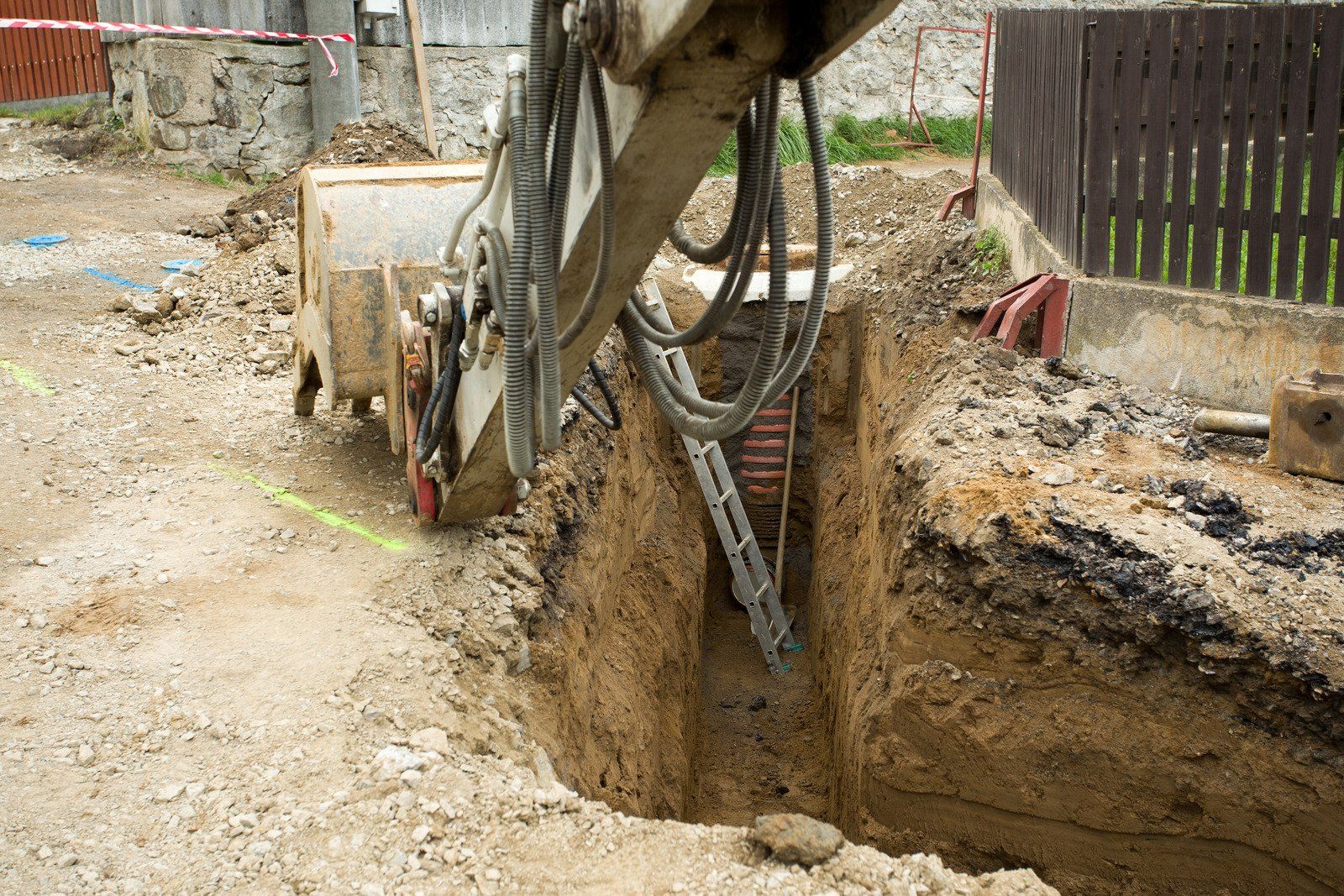
Footing Excavation Done Right Prevents Future Problems
Building a reliable structure starts below grade, where soil conditions, frost depth, drainage, and elevation determine long-term stability. Trail & Earth delivers foundation and footing excavation services tailored to the demanding ground conditions in Richmond, Maine, and surrounding regions, including Portland, Lewiston, Bangor, South Portland, Auburn, and Biddeford. With over 30 years of hands-on experience, every excavation is approached with technical accuracy, local geological understanding, and strict adherence to Maine building codes. From coastal soil variability to inland frost concerns, each project is shaped to perform in real-world conditions, not generic assumptions.
Foundation and footing excavation in this region requires more than heavy equipment. Clay pockets, ledge outcroppings, fluctuating groundwater, and seasonal freeze-thaw cycles demand careful planning and execution. I focus on accurate depth control, clean trench lines, and stable bearing surfaces that support residential, agricultural, and light commercial construction. Projects are coordinated to align with engineering plans while adjusting for site-specific realities commonly encountered throughout Sagadahoc County and neighboring areas.
Beyond technical execution, excavation is about protecting the investment above it. Improper footing preparation can lead to settling, cracking, drainage failure, and costly structural repairs. Each excavation is performed with attention to load distribution, compaction readiness, and water management to ensure foundations perform as intended for decades. By combining regional experience with modern excavation methods, every project is positioned for structural success before concrete is ever poured.
Foundation & Footing Excavation Services
Residential Foundation Excavation
I perform precise excavation for residential foundations, ensuring proper depth, width, and alignment according to structural plans and local code requirements. Soil conditions are evaluated continuously during digging to maintain stable bearing surfaces. The excavation process accounts for frost depth, drainage considerations, and future backfill requirements, helping create a foundation base that supports long-term structural integrity and minimizes settlement risks.
Footing Trench Excavation
I excavate clean, uniform footing trenches designed to evenly distribute structural loads. Trenches are cut to exact specifications while maintaining straight lines and consistent depths across the entire footprint. Attention is given to soil stability and trench safety, allowing footings to be poured accurately and efficiently without compromising load-bearing performance or structural alignment during construction.
Frost-Protected Footing Preparation
I prepare excavation sites to meet Maine’s frost protection standards, accounting for seasonal freeze-thaw cycles common in the region. Excavation depth and layout are adjusted to reduce frost heave risks while supporting insulation and drainage strategies. This preparation helps prevent shifting, cracking, and long-term foundation movement caused by extreme temperature fluctuations.
Foundation Excavation for Additions
I excavate foundations for home additions, garages, and structural expansions while carefully protecting existing structures. Excavation is planned to maintain soil stability near existing footings and utilities. This service ensures new foundations integrate seamlessly with original structures, maintaining consistent load transfer and preventing differential settlement between old and new construction areas.
Slab and Pier Foundation Excavation
I provide excavation for slab-on-grade and pier-style foundations, preparing level subgrades and precise pier holes. Soil conditions are verified to ensure adequate bearing capacity. This service supports efficient construction while reducing material waste and ensuring slabs and piers perform reliably under Maine’s varying ground and moisture conditions.
Site Coordination and Pre-Pour Preparation
I coordinate excavation work to align with survey data, engineering plans, and concrete schedules. Final grading, trench cleaning, and base preparation are completed to ensure readiness for forms and pours. This coordination helps prevent delays, rework, and inspection issues, allowing construction to proceed smoothly once excavation is complete.
Benefits of Professional Foundation & Footing Excavation
Accurate Load Distribution
Professional excavation ensures footings rest on properly prepared bearing surfaces that distribute structural loads evenly. Accurate depth control and trench uniformity reduce stress concentrations that cause cracking or settling. This precision supports structural longevity and protects buildings from uneven movement caused by inconsistent soil support beneath foundation elements.
Compliance With Local Building Standards
Professional excavation follows Maine building codes and engineering specifications required for foundation construction. Proper depth, width, and soil preparation help meet inspection requirements and reduce approval delays. Compliance also minimizes future liability issues by ensuring foundations are built to standards recognized throughout the region.
Reduced Risk of Structural Settlement
Professionally excavated foundations reduce the risk of long-term settlement by addressing soil variability before concrete placement. Identifying unsuitable soils, ledge, or moisture issues early allows corrective action during excavation. This proactive approach prevents uneven settling that can compromise walls, floors, and load-bearing components over time.
Improved Drainage Performance
Professional excavation considers drainage patterns and groundwater behavior during foundation preparation. Proper trench shaping and base preparation support effective drainage systems that protect foundations from water pressure and moisture intrusion. Improved drainage performance helps extend foundation lifespan and reduces the likelihood of water-related structural damage.
Efficient Construction Sequencing
Accurate excavation supports efficient scheduling for forming, reinforcing, and concrete placement. Clean, well-prepared excavation areas reduce delays and rework during later construction phases. This efficiency benefits project timelines and helps maintain coordination between excavation, concrete crews, and inspection schedules.
Long-Term Structural Reliability
Professional foundation and footing excavation establishes a stable base that supports the entire structure for decades. Attention to soil conditions, depth accuracy, and preparation quality ensures foundations resist movement and environmental stress. This reliability protects property value and reduces the likelihood of costly structural repairs in the future.
BENEFITS 1
Insert content
BENEFITS 2
Insert content
BENEFITS 3
Insert content
Ensuring Long-Term Stability Through Professional Foundation Work
A strong structure depends on what lies beneath it, and foundation excavation is where long-term performance truly begins. Trail & Earth
provides excavation built on experience, technical accuracy, and regional understanding gained across Richmond, Maine, and surrounding regions, including Sanford, Saco, Augusta, Brunswick, Westbrook, Waterville, and Scarborough. Each project is approached with a focus on soil behavior, frost protection, and precise preparation that supports reliable construction outcomes. Foundation and footing excavation is not simply about digging to a depth. It involves understanding how soil, moisture, and load interact over time. Proper excavation reduces future risks, supports inspection approval, and creates a stable base that allows builders to move forward with confidence. Careful planning and execution help ensure foundations resist environmental stress and structural movement for decades. By prioritizing accuracy, compliance, and site-specific solutions, every excavation supports the integrity of the entire structure.
FAQ's
Got Questions? We’ve Got Answers.
What makes foundation excavation in Maine different from other regions?
Maine’s soil conditions vary significantly, with frost depth, ledge, and seasonal moisture playing major roles. Excavation must account for freeze-thaw cycles and drainage challenges. Proper preparation helps prevent frost heave, settlement, and long-term foundation movement common in colder climates.
How deep should footings be excavated in this region?
Footing depth depends on structure type, soil conditions, and frost requirements. In Maine, footings are typically placed below the frost line to prevent movement. Site-specific evaluation ensures excavation meets engineering plans and local code standards for long-term stability.
Can foundation excavation be completed year-round?
Foundation excavation can be completed during most seasons, though frozen ground and heavy moisture may require adjustments. Proper planning and equipment selection allow work to proceed safely while protecting soil integrity. Seasonal conditions are always considered during excavation planning.
How does excavation affect future drainage around the foundation?
Excavation plays a critical role in drainage performance. Proper trench shaping, base preparation, and grading support effective drainage systems. Addressing drainage during excavation helps reduce hydrostatic pressure and moisture intrusion that can damage foundations over time.
Is excavation different for additions compared to new builds?
Yes, excavation for additions requires additional care to protect existing foundations. Soil stability near existing structures is closely monitored. Excavation is planned to prevent undermining and ensure new footings integrate properly with the original foundation system.
How does local experience benefit foundation excavation projects?
Local experience provides insight into common soil conditions, ledge locations, and drainage challenges. Trail & Earth applies regional knowledge gained across Richmond, Maine, and surrounding areas to adjust excavation methods for site-specific conditions and code requirements.
What inspections are involved after foundation excavation?
Inspections typically occur after excavation and before concrete placement. Inspectors verify depth, width, and soil conditions meet approved plans. Proper excavation preparation helps ensure inspections pass without delays or corrective work requirements.
How far in advance should foundation excavation be scheduled?
Scheduling excavation early helps coordinate surveys, engineering, and concrete work efficiently. In busy construction seasons around Richmond, Maine, advance planning helps keep timelines smoother and reduces delays caused by weather or contractor availability.
BENEFITS 1
Insert content
BENEFITS 2
Insert content
BENEFITS 3
Insert content
BENEFITS 1
Insert content
BENEFITS 2
Insert content
BENEFITS 3
Insert content