Site Preparation & Grading Services in Richmond, Maine
OR GIVE US A CALL
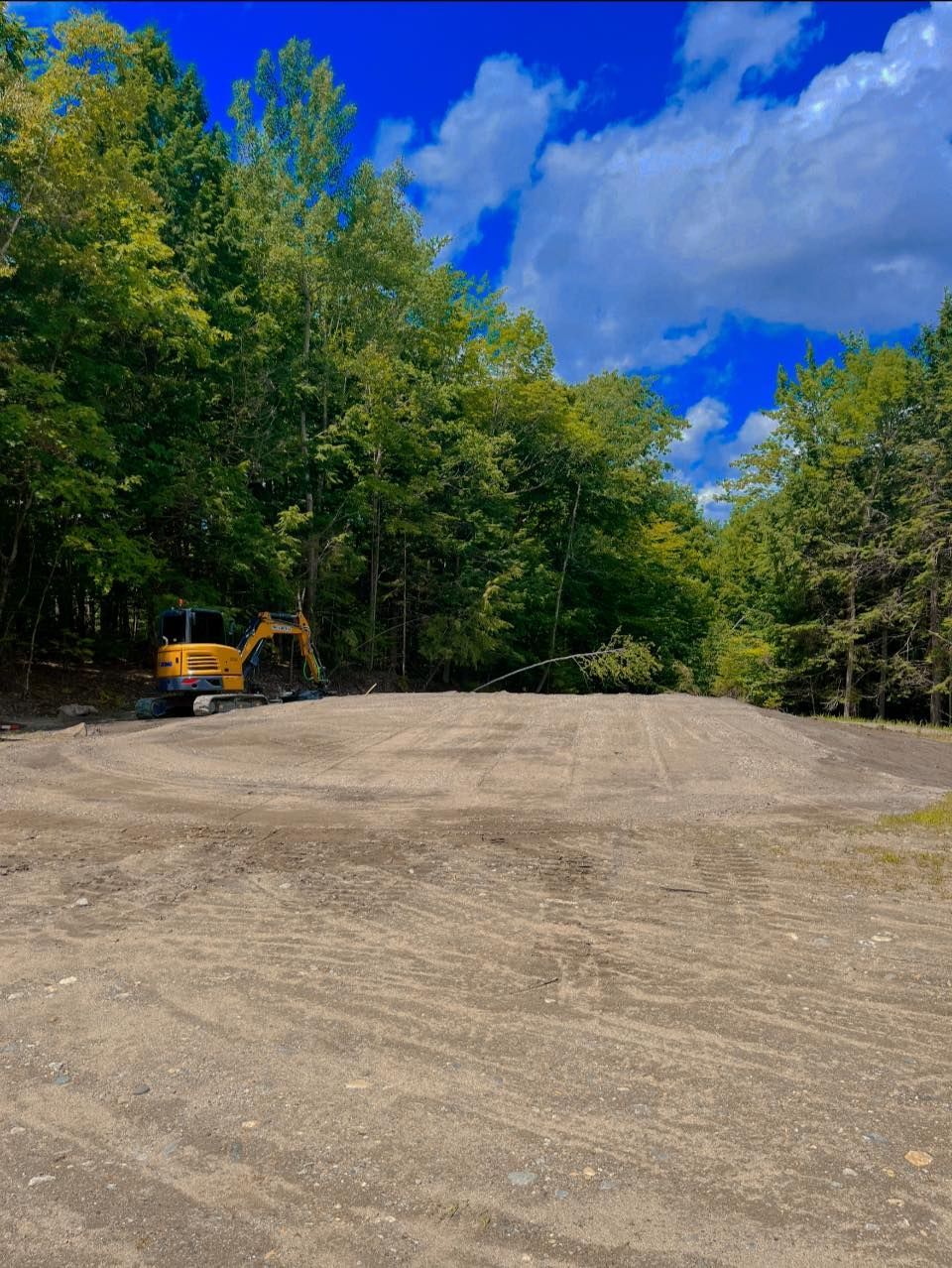
Preparing Your Property for Sustainable Development Success
Building dependable structures begins below the surface, where soil stability, drainage control, and precise elevation determine long-term performance. In Richmond, Maine, and surrounding regions including Portland, Lewiston, Bangor, South Portland, Auburn, and Biddeford, Trail & Earth
delivers site preparation and grading services built on decades of hands-on field experience. Local terrain presents unique challenges, from clay-heavy soils to seasonal freeze-thaw cycles, requiring disciplined methods that protect structural integrity while meeting regional construction expectations.
Site preparation and grading demand more than heavy equipment. Each project requires careful evaluation of slope behavior, water movement, soil composition, and environmental impact. In Sagadahoc and Kennebec County regions, uneven ground and variable subsurface conditions can create costly delays if improperly addressed. Proper grading establishes predictable drainage paths, minimizes erosion, and ensures foundations perform as engineered. Accurate preparation also protects nearby landscapes, access routes, and adjacent properties from long-term settlement issues.
From residential builds to recreational land improvements, precision earthwork supports safe development across Central and Southern Maine. Site preparation creates dependable building pads, improves accessibility, and sets correct elevations before construction begins. Grading ensures rainwater flows away from structures while complying with regional codes and environmental standards. When completed correctly, these services reduce structural stress, extend project longevity, and support efficient construction schedules across Maine’s varied terrain.
Site Preparation & Grading Services
Land Clearing and Surface Preparation
I remove vegetation, surface debris, and unsuitable materials to create a clean, workable construction surface. Each phase prioritizes soil protection while preventing unnecessary disturbance. Controlled clearing supports proper grading and drainage alignment, ensuring stable ground conditions before excavation or foundation work begins. Careful preparation reduces compaction risks and promotes predictable soil behavior throughout the entire construction lifecycle.
Rough and Finish Grading
I shape terrain to achieve engineered elevations and consistent slopes required for construction and drainage performance. Rough grading establishes foundational contours, while finish grading refines surfaces for final use. Precision leveling reduces water accumulation, erosion risks, and uneven settlement. Accurate grading improves site usability while aligning landforms with building plans and environmental requirements.
Drainage Slope Formation
I design and shape land contours to direct surface water away from foundations and high-traffic areas. Proper slope formation prevents standing water, erosion channels, and frost-related movement. Strategic grading protects structural components and improves long-term site stability. Controlled drainage planning ensures compliance with regional runoff expectations and soil behavior patterns.
Building Pad Preparation
I construct level, compacted building pads designed to support structural loads and resist settlement. Pad preparation includes elevation control, soil conditioning, and compaction verification. Stable pads enhance foundation performance while simplifying construction sequencing. Proper preparation minimizes adjustments during building and ensures long-term structural reliability on variable Maine soils.
Driveway and Access Grading
I grade access routes to provide safe, durable travel surfaces for residential and utility access. Proper elevation transitions, slope control, and surface shaping reduce washouts and rutting. Accurate grading improves vehicle safety and year-round usability. Well-graded access paths integrate smoothly with surrounding land while maintaining drainage efficiency.
Erosion Control Preparation
I prepare slopes and surfaces to minimize soil displacement during and after construction. Strategic grading reduces runoff velocity and supports stabilization measures. Controlled land shaping limits sediment movement and protects adjacent properties. Erosion-focused preparation improves environmental compliance while preserving site integrity over extended weather exposure.
Benefits of Professional Site Preparation & Grading
Structural Stability Assurance
Professional site preparation ensures soil conditions are properly evaluated, shaped, and compacted to support construction loads. Stable ground reduces differential settlement, foundation cracking, and long-term structural stress. Accurate grading establishes predictable performance, allowing buildings and infrastructure to maintain integrity across seasonal changes and varying soil compositions encountered throughout the region.
Long-Term Drainage Performance
Proper grading establishes reliable water movement pathways that protect foundations and surrounding landscapes. Professionally executed slopes prevent pooling, erosion, and moisture intrusion. Effective drainage design reduces maintenance costs while improving durability. Controlled runoff management preserves soil structure and minimizes weather-related damage over time.
Construction Efficiency Improvement
Accurate site preparation streamlines subsequent construction phases by eliminating rework and delays. Well-prepared ground allows builders to proceed confidently with foundations and utilities. Efficient grading reduces interruptions caused by drainage issues or unstable surfaces. Proper preparation supports predictable scheduling and improved coordination among project stakeholders.
Environmental Impact Reduction
Professional grading minimizes unnecessary land disturbance while preserving natural soil behavior. Controlled earth movement reduces erosion risks and sediment displacement. Environmentally responsible preparation protects nearby vegetation and waterways. Balanced grading practices align with regulatory expectations and support sustainable land development principles across varied terrain conditions.
Code Compliance Support
Site preparation performed to professional standards aligns with local engineering requirements and inspection criteria. Proper grading improves compliance with drainage, elevation, and erosion regulations. Accurate documentation and execution reduce permitting complications. Adhering to established standards protects project approval timelines and reduces costly corrections during inspections.
Property Value Enhancement
Well-prepared land improves usability, drainage performance, and long-term durability. Proper grading enhances visual appeal while supporting structural longevity. Professionally prepared sites experience fewer maintenance issues and structural risks. Quality preparation adds measurable value by ensuring land remains functional, safe, and resilient over extended ownership periods.
BENEFITS 1
Insert content
BENEFITS 2
Insert content
BENEFITS 3
Insert content
Maximizing Land Potential Through Expert Grading
Successful construction begins with disciplined groundwork that accounts for soil behavior, water movement, and elevation accuracy. In Richmond, Maine, and surrounding regions, including Sanford, Saco, Augusta, Brunswick, Westbrook, Waterville, and Scarborough, Trail & Earth
provides site preparation and grading services designed to support dependable, long-lasting development. Thoughtful earth shaping reduces structural risk, prevents drainage complications, and improves land usability across residential and recreational projects. Every grading project requires a careful balance between technical accuracy and environmental responsibility. Proper preparation protects foundations while preserving natural land characteristics. Accurate slope formation and compaction support predictable performance through seasonal weather changes common to Central and Southern Maine. Well-prepared sites experience fewer construction delays and reduced long-term maintenance demands. By addressing ground conditions before construction begins, grading establishes a reliable platform for future improvements. Quality preparation safeguards investments, supports structural longevity, and ensures land remains functional for years to come.
FAQ's
Got Questions? We’ve Got Answers.
What does site preparation and grading involve?
Site preparation and grading involve clearing land, shaping terrain, managing soil conditions, and establishing proper slopes. These steps create stable building surfaces, support drainage control, and prepare land for construction while reducing long-term risks related to erosion, settlement, and moisture accumulation.
Why is grading important before construction begins?
Grading ensures water flows away from structures, soil is properly compacted, and elevations match engineering plans. Without proper grading, foundations may experience moisture intrusion, uneven settlement, or erosion. Correct preparation protects structural integrity and supports efficient, safe construction sequencing.
How does local soil affect grading methods?
Soil composition influences compaction, drainage behavior, and slope stability. Clay-heavy or sandy soils require specific preparation techniques to prevent movement and water retention. Understanding regional soil characteristics ensures grading methods support long-term performance and reduce seasonal damage risks.
Can site preparation help prevent drainage problems?
Yes, professional grading establishes controlled slopes that guide water away from structures. Proper drainage preparation reduces pooling, erosion, and frost-related movement. Effective water management protects foundations, landscaping, and access routes while supporting environmental compliance requirements.
How long does site preparation typically take?
Project timelines vary based on site size, soil conditions, weather, and grading complexity. Smaller residential sites may require several days, while larger or more complex properties may take longer. Proper planning ensures efficient execution without compromising quality or safety.
Does site grading support recreational land development?
Grading plays a critical role in recreational trail construction and outdoor land use. Proper slope control and surface shaping improve safety, drainage, and durability. Thoughtful preparation enhances accessibility while preserving natural terrain features and environmental balance.
Is professional site preparation necessary in Richmond, Maine?
Yes, Richmond, Maine, presents seasonal weather cycles, freeze-thaw conditions, and varied soil types. Trail & Earth applies proven grading methods that account for these regional factors, ensuring land remains stable, well-drained, and construction-ready throughout changing environmental conditions.
How does experience influence grading accuracy?
Experience improves judgment in soil behavior, equipment application, and drainage design. Trail & Earth brings over 30 years of hands-on excavation knowledge, allowing precise adjustments during grading that improve stability, compliance, and long-term performance across diverse project conditions.
BENEFITS 1
Insert content
BENEFITS 2
Insert content
BENEFITS 3
Insert content
BENEFITS 1
Insert content
BENEFITS 2
Insert content
BENEFITS 3
Insert content